In this Article
- Starbucks Frappuccino Bottle Caffeine: Complete Chart (2026)
- How Does a Bottled Frappuccino Compare to Other Caffeine Sources?
- Why Doesn’t Caffeine Appear on the Bottle Label?
- Every Bottled Frappuccino Flavor Reviewed
- Bottled vs. Fresh Frappuccino: Which Has More Caffeine?
- Is a Bottled Frappuccino Healthy? The Sugar Problem
- How Much Caffeine Is Too Much?
- Bottled Frappuccino Hacks Worth Knowing

- Can You Make a Copycat Frappuccino at Home?
- Starbucks Bottled Frappuccino FAQs
- The Bottom Line
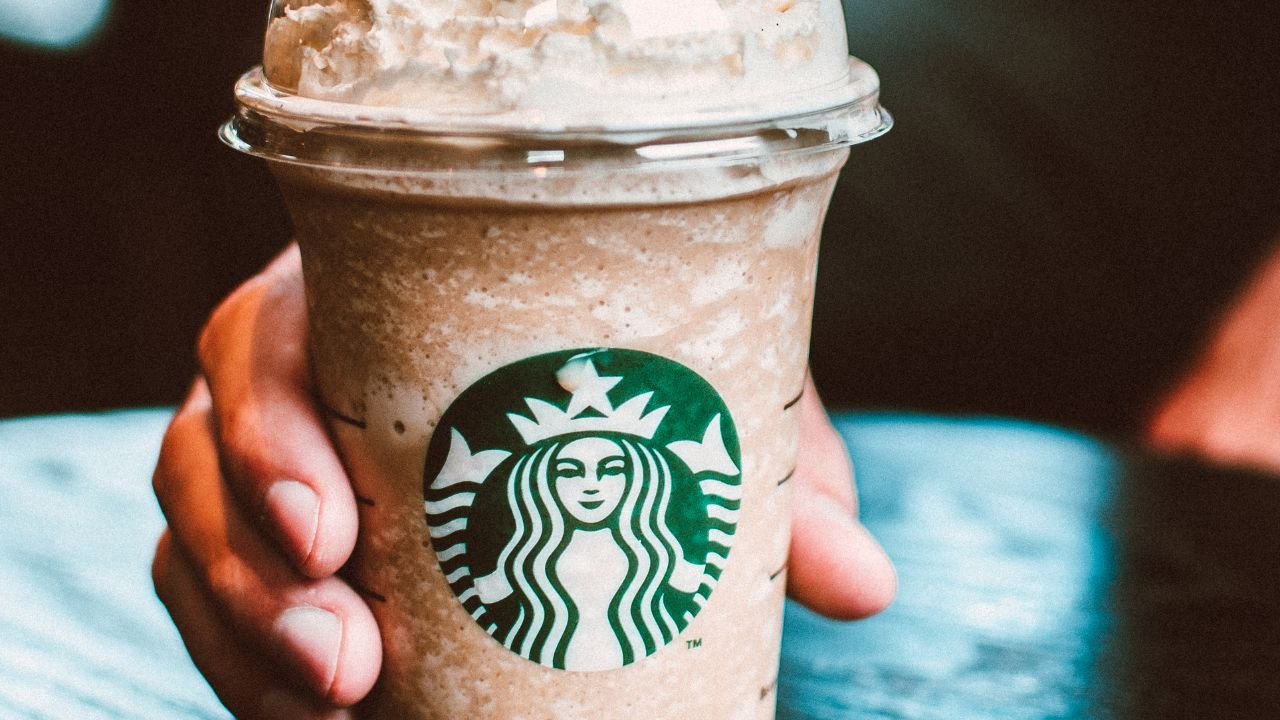
Let’s cut straight to it: a standard 13.7 fl oz Starbucks Frappuccino bottle contains between 75mg and 110mg of caffeine, depending on the flavor. The smaller 9.5 fl oz bottle runs about 75–90mg.
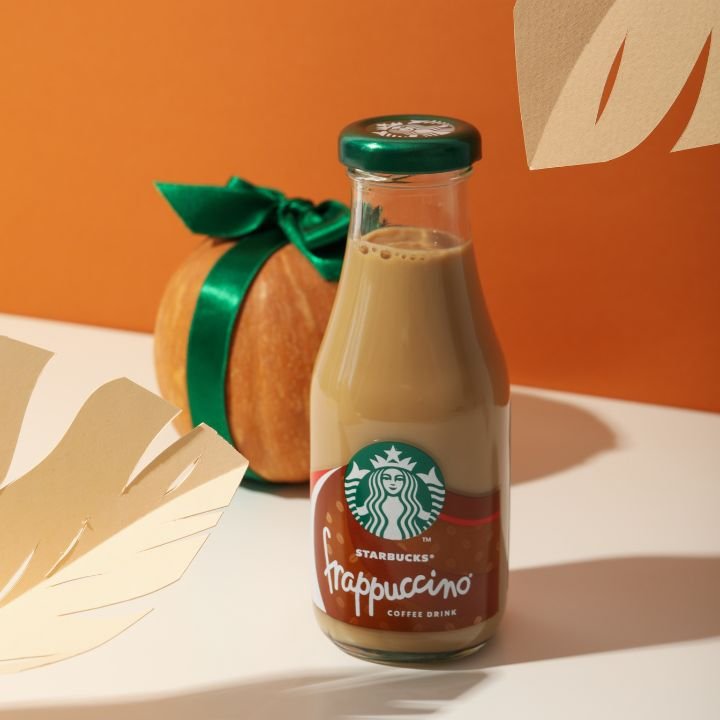
I know how frustrating it is to pick one up at a gas station, flip the bottle over, and find absolutely nothing about caffeine on the label. Starbucks doesn’t print caffeine content on the packaging — a choice that has baffled coffee lovers for years. So I went straight to the official PepsiCo product facts database (Starbucks bottles are produced through a joint venture with PepsiCo called the North American Coffee Partnership) and cross-referenced each flavor to give you a complete, verified breakdown.
Whether you’re tracking your daily caffeine limit, wondering how your bottled Frappuccino compares to a real cup of coffee, or debating whether to grab one before a long drive — this guide has every number you need.
Starbucks Frappuccino Bottle Caffeine: Complete Chart (2026)
Here’s the full caffeine breakdown for the standard 13.7 fl oz (405 mL) bottles — the most common size you’ll find at grocery stores, Target, and convenience stores:
| Flavor | Caffeine (13.7 fl oz) | Calories | Sugar |
| Mocha | 110 mg | ~290 | ~46g |
| Coffee | 110 mg | ~290 | ~46g |
| Caramel | 90 mg | ~290 | ~46g |
| Vanilla | 85 mg | ~290 | ~45g |
| White Chocolate | 75 mg | ~290 | ~47g |
| Oatmilk – Dark Chocolate Brownie | 110 mg | ~240 | ~34g |
| Oatmilk – Caramel Waffle Cookie | 110 mg | ~240 | ~34g |
Source: PepsiCo Product Facts (the official nutrition database for Starbucks RTD beverages). Always check the label or product page when in doubt — formulations occasionally change.
Caffeine in the 9.5 fl oz Bottle (Smaller Size)
If you pick up the smaller glass bottle — the one that fits in one hand and makes a satisfying pop when you open it — caffeine amounts are lower:
| Flavor | Caffeine (9.5 fl oz) |
| Mocha | ~90 mg |
| Coffee | ~90 mg |
| Caramel | ~75 mg |
| Vanilla | ~75 mg |
I personally lean toward the 9.5 oz bottle on weekday afternoons when I don’t want to be wired at 10pm. The 13.7 oz is a more serious commitment.
How Does a Bottled Frappuccino Compare to Other Caffeine Sources?
Knowing the number is one thing — knowing what it means is another. Here’s how a bottled Frappuccino stacks up against other common caffeine sources:
| Drink | Serving Size | Caffeine |
| Starbucks Bottled Frappuccino (Mocha/Coffee) | 13.7 fl oz | 110 mg |
| Regular Brewed Coffee (drip) | 8 fl oz | ~95 mg |
| Starbucks Grande Coffee Frappuccino (in-store) | 16 fl oz | ~95 mg |
| Starbucks Espresso (1 shot) | 1 fl oz | ~75 mg |
| Red Bull Energy Drink | 8.4 fl oz | 80 mg |
| Coca-Cola | 12 fl oz | 34 mg |
| Black Tea | 8 fl oz | ~47 mg |
| Decaf Coffee | 8 fl oz | ~5 mg |
Bottom line: At 110mg, a Mocha or Coffee bottled Frappuccino delivers more caffeine than a standard cup of drip coffee and more than the equivalent in-store blended Frappuccino. If you think you’re getting a lighter coffee drink because it’s bottled and sweet — you’re not. It actually packs a solid punch.
Why Doesn’t Caffeine Appear on the Bottle Label?
This trips up a lot of people. You flip the bottle around, scan the nutrition panel, and… nothing. No caffeine number.
Here’s why: the FDA does not currently require manufacturers to list caffeine content on food and beverage labels unless caffeine is added as an ingredient separate from the coffee itself. Since the caffeine in Starbucks bottled Frappuccinos comes naturally from coffee extract — not from an added caffeine ingredient — they aren’t required to list it.
Frustrating? Absolutely. But the data exists — you just have to know where to look. PepsiCo’s product facts website lists the official numbers for every RTD Starbucks beverage. That’s where I pulled the figures in this article.
Every Bottled Frappuccino Flavor Reviewed
I’ve worked my way through every flavor available on the market. Here’s an honest take on each one — including what to expect from the caffeine and the taste.
Mocha Frappuccino
Caffeine: 110 mg | Calories: ~290 | Sugar: ~46g
This is the crowd favorite for a reason. It’s essentially liquid chocolate coffee — the cocoa and coffee flavors are well-balanced, neither overwhelming the other. At 110mg, it delivers a real caffeine kick comparable to a full cup of coffee.
When I need something that both satisfies a sweet craving and actually wakes me up for an afternoon meeting, this is the one I reach for. It’s also the best “gateway” flavor for people transitioning away from heavily customized café drinks.
Coffee Frappuccino
Caffeine: 110 mg | Calories: ~290 | Sugar: ~46g
The purist option. Less sweet than Mocha, more coffee-forward. If you normally drink your coffee black or with minimal sugar, this is the bottled flavor that’ll feel most natural to you. Same caffeine hit as Mocha — this is the closest the bottled line gets to plain coffee flavor.
Caramel Frappuccino
Caffeine: 90 mg | Calories: ~290 | Sugar: ~46g
Rich, buttery-sweet, unmistakably caramel. The coffee flavor takes a back seat here — which is the point. The caffeine is a comfortable 90mg, making this a solid afternoon option if you want energy without going all-in on caffeine. Great for people who love the café Caramel Frappuccino experience but want it in grab-and-go form.
Vanilla Frappuccino
Caffeine: 85 mg | Calories: ~290 | Sugar: ~45g
The gentlest of the coffee-based flavors. Smooth, creamy, and approachable — this is the one I’d hand to someone who says they “don’t really like coffee.” The vanilla rounds off any bitterness entirely. At 85mg of caffeine, it’s still effective without being aggressive.
White Chocolate Frappuccino
Caffeine: 75 mg | Calories: ~290 | Sugar: ~47g
The lowest caffeine in the classic lineup. Sweeter than the rest, with a milky white chocolate profile that feels more dessert than coffee drink. If caffeine is your main goal, this isn’t your best pick. But for pure indulgence, it delivers.
Oatmilk Varieties (New Addition)
Caffeine: 110 mg | Calories: ~240 | Sugar: ~34g
The Oatmilk Frappuccinos — available in Dark Chocolate Brownie and Caramel Waffle Cookie — are a genuinely exciting addition to the lineup. They contain the same caffeine as the top-tier classic flavors but with about 50 fewer calories and significantly less sugar thanks to oat milk as the base.
I tested both and the Dark Chocolate Brownie was the standout. It’s richer and less one-dimensionally sweet than the original Mocha. If you’re watching sugar intake but still want a bottled Frappuccino, start here.
Bottled vs. Fresh Frappuccino: Which Has More Caffeine?
This surprises people. Many assume the fresh, café-made Frappuccino must be stronger. The truth is more nuanced.
| Bottled Frappuccino (13.7 oz) | In-Store Coffee Frappuccino (Grande, 16 oz) | |
| Caffeine | 110 mg | ~95 mg |
| Texture | Smooth, milk-like, no ice | Icy, blended, slushy |
| Sugar | ~46g | ~54g |
| Calories | ~290 | ~270 |
| Customization | None | Full menu options |
| Price | $2.50–$4.00 | $5.00–$7.00 |
| Shelf life | Weeks (unopened) | Consume immediately |
The verdict: The bottled version actually contains more caffeine than the standard in-store version. Why? In-store Frappuccinos are blended with a large amount of ice, which dilutes everything — caffeine included. The bottled version uses a concentrated coffee extract formula designed for consistent strength in every bottle.
The big trade-off is texture. The bottled version is smooth and creamy — more like a sweetened coffee milk than the thick, icy slush you get from a blender. Neither is better than the other; they’re just different experiences.
Is a Bottled Frappuccino Healthy? The Sugar Problem
Here’s where I’ll be straight with you: the caffeine in a Starbucks Frappuccino bottle is completely reasonable. The sugar is a different story.
At roughly 46 grams of sugar per 13.7 oz bottle, a standard Frappuccino blows past the American Heart Association’s recommended daily limit of 25g for women and 36g for men — in a single drink. That’s the equivalent of about 11 teaspoons of sugar.
For context, a 12 oz can of Coca-Cola has about 39g of sugar. The Frappuccino bottle has more.
According to Healthline’s coverage of added sugar and health risks, regularly consuming drinks with this much added sugar is associated with weight gain, insulin resistance, and increased cardiovascular disease risk. This doesn’t mean one occasional bottle will harm you — but it’s information worth having before you make it a daily habit.
The better option if you’re sugar-conscious: The new Oatmilk Frappuccinos contain only ~34g of sugar and about 50 fewer calories per bottle, while delivering the same 110mg caffeine. A meaningful improvement.
What about the Frappuccino Lite? In April 2025, Starbucks launched the RTD Frappuccino Lite — a 9.5 oz bottle with no added sugars and around 100 calories, available in Sea Salt Caramel, Creamy Vanilla, and Double Chocolate flavors. If you want the Frappuccino experience with dramatically less sugar, this is worth tracking down. It’s rolling out to major grocery chains and convenience stores.
How Much Caffeine Is Too Much?
The FDA recommends a maximum of 400mg of caffeine per day for healthy adults. A single Starbucks Frappuccino bottle (110mg) uses about 27% of that daily limit — so it’s well within range for most people.
That said, caffeine sensitivity varies enormously from person to person. Some people feel jittery from 100mg; others barely notice 200mg. Here’s a practical guide:
You’ll likely be fine with a bottled Frappuccino if:
- You regularly drink coffee with no side effects
- You’re having it before 2pm (caffeine’s half-life is 5–6 hours — afternoon caffeine affects nighttime sleep quality for most people)
- You’re a healthy adult not pregnant or on caffeine-sensitive medications
Be cautious if:
- You’re pregnant (most guidelines recommend under 200mg/day)
- You already had 2+ cups of coffee that day
- You’re sensitive to caffeine and experience anxiety, jitteriness, or heart palpitations
- You have high blood pressure or cardiac concerns — speak with your doctor
For a deeper look at caffeine and how your body processes it, the Mayo Clinic’s caffeine overview is one of the most thorough, evidence-based references available.
Bottled Frappuccino Hacks Worth Knowing
After years of keeping these in my fridge and experimenting with them, here are a few tricks that genuinely improve the experience:
- Pour it over ice. This is the single best thing you can do. The bottled version at room temperature is good; over a glass of ice, it becomes significantly better — colder, slightly diluted to a less-sweet intensity, and much closer to what you’d get in a café. This is also how I “stretch” the 9.5 oz bottle into a full café-sized drink.
- Add a shot of espresso. If you want more caffeine or more coffee depth, pull a quick shot at home and stir it in. This takes the bottled Frappuccino experience up a level and adds roughly 75mg of caffeine to your total. I do this with the Vanilla flavor — the espresso cuts through the sweetness perfectly.
- Blend it with ice. Pour the bottle into a blender with 1–2 cups of ice, blend for 20 seconds, and you’ve got a texture much closer to a fresh in-store Frappuccino. Sounds silly until you try it. It genuinely works.
- Use it as a coffee creamer base. A splash of the Mocha or Vanilla bottled Frappuccino in your morning coffee adds sweetness and flavor without a separate cream and sugar step. Works surprisingly well in cold brew especially.
- Once opened, drink within 24–48 hours. Refrigerate immediately after opening. The flavor degrades noticeably after 48 hours — it becomes flatter and the coffee notes fade. Don’t save half a bottle for three days thinking it’ll be fine
Can You Make a Copycat Frappuccino at Home?
Absolutely — and for a fraction of the price. A store-bought bottled Frappuccino runs $2.50–$4.00 per bottle. Making a comparable drink at home costs roughly $0.60–$1.00 per serving, even with good ingredients.
Simple homemade Mocha Frappuccino (serves 1):
- Brew 1–2 shots of espresso (or 4 oz of strong drip coffee) and let it cool
- Combine in a blender: cooled coffee, 1 cup of whole milk or oat milk, 1 tbsp cocoa powder, 2 tbsp sugar (or sweetener of choice), and 1 cup of ice
- Blend until smooth and pour into a tall glass
- Optional: top with whipped cream and a drizzle of chocolate syrup
Total caffeine: approximately 75–150mg depending on your espresso strength. Total sugar: about 20–25g — roughly half what’s in the bottled version.
For more coffee drink recipes you can make at home, check out our complete guide to homemade café-style drinks and our step-by-step iced coffee guide.
Starbucks Bottled Frappuccino FAQs
How much caffeine is in a Starbucks Frappuccino bottle? In the standard 13.7 fl oz bottle: 75–110mg depending on flavor. Mocha and Coffee have the most at 110mg; White Chocolate has the least at 75mg. The 9.5 fl oz bottle contains 75–90mg.
Does the caffeine show on the Frappuccino bottle label? No. Starbucks does not print caffeine content on the bottle. The data is available on the official PepsiCo product facts site, which we used as the source for this article.
Is a bottled Frappuccino stronger than an in-store Frappuccino? Yes, slightly. A 13.7 oz bottled Mocha Frappuccino contains about 110mg of caffeine; a Grande in-store Coffee Frappuccino has about 95mg. The bottled version uses a concentrated coffee extract without ice dilution.
How long does a bottled Frappuccino last after opening? Consume within 24–48 hours of opening and keep refrigerated. Flavor noticeably degrades after 48 hours.
Can you freeze a Starbucks Frappuccino bottle? Don’t freeze it in the glass bottle — it can crack or shatter. Transfer to a freezer-safe container first. Frozen and thawed Frappuccino loses some texture and flavor, but works fine if you blend it with ice afterward.
Is there a sugar-free Starbucks Frappuccino bottle? The new Frappuccino Lite (launched April 2025) contains no added sugars and about 100 calories per 9.5 oz bottle. Available in Sea Salt Caramel, Creamy Vanilla, and Double Chocolate. This is your best option if you’re cutting sugar but still want the bottled Frappuccino experience.
Are bottled Frappuccinos vegan or dairy-free? Classic bottled Frappuccinos contain reduced-fat milk and are not vegan. However, the Oatmilk varieties (Dark Chocolate Brownie and Caramel Waffle Cookie) are dairy-free. Starbucks also previously released Mocha and Vanilla almond milk versions — availability varies by market.
Do bottled Frappuccinos contain gluten? The standard flavors do not list gluten-containing ingredients, but Starbucks does not certify any RTD products as gluten-free due to shared manufacturing environments. If you have celiac disease, contact Starbucks customer service directly before consuming.
Can you drink two bottled Frappuccinos in a day? Technically, two 13.7 oz Mocha Frappuccinos would give you 220mg of caffeine — still under the 400mg FDA daily limit. But they’d also give you around 92g of sugar, which is well above recommended limits. The caffeine is fine; the sugar is the real concern with double-dosing.
Which bottled Frappuccino has the most caffeine? Mocha and Coffee (classic flavors) both tie at 110mg in the 13.7 oz bottle. The Oatmilk varieties also hit 110mg. These are your best pick if caffeine is the priority.
Which has the least caffeine? White Chocolate, at 75mg in the 13.7 oz bottle — or the new Frappuccino Lite, which we’d estimate in a similar range. If you want the lowest caffeine in the Frappuccino bottle lineup, these are your options.
The Bottom Line
A Starbucks Frappuccino bottle is a legitimately enjoyable ready-to-drink coffee — convenient, flavorful, and with enough caffeine (75–110mg) to make a real difference in your energy level. It’s not trying to be a fresh café Frappuccino, and it shouldn’t be compared to one directly. It’s a completely different product with different goals: shelf stability, grab-and-go convenience, and consistent flavor every time.
The biggest issue isn’t the caffeine — it’s the sugar load of ~46g per bottle, which is higher than a can of soda. If that’s a concern for you, the new Oatmilk varieties (34g) and Frappuccino Lite (no added sugars) are genuine step-ups.
For an occasional treat, a road trip, or a hectic morning when you can’t make your own coffee — a bottled Frappuccino does exactly what it promises.