In this Article
- The Core Answer: How Much Caffeine Is in a Monster?
- Caffeine in Every Monster Energy Line (Complete 2026 Chart)
- The Hidden Caffeine Problem: What the Label Doesn’t Tell You
- Monster vs. Coffee: Which Has More Caffeine?
- What’s Actually In a Monster? (Full Ingredient Breakdown)
- Monster Energy and Your Health: What the Research Says
- Monster Energy Drink Caffeine vs. Competitors
- How to Choose the Right Monster for Your Situation
- How Long Does Monster Caffeine Last?
- Is Monster Bad for You? My Honest Take
- Smarter Ways to Use Monster Energy (Tips I Actually Follow)
- Frequently Asked Questions About Monster Caffeine
- Final Verdict
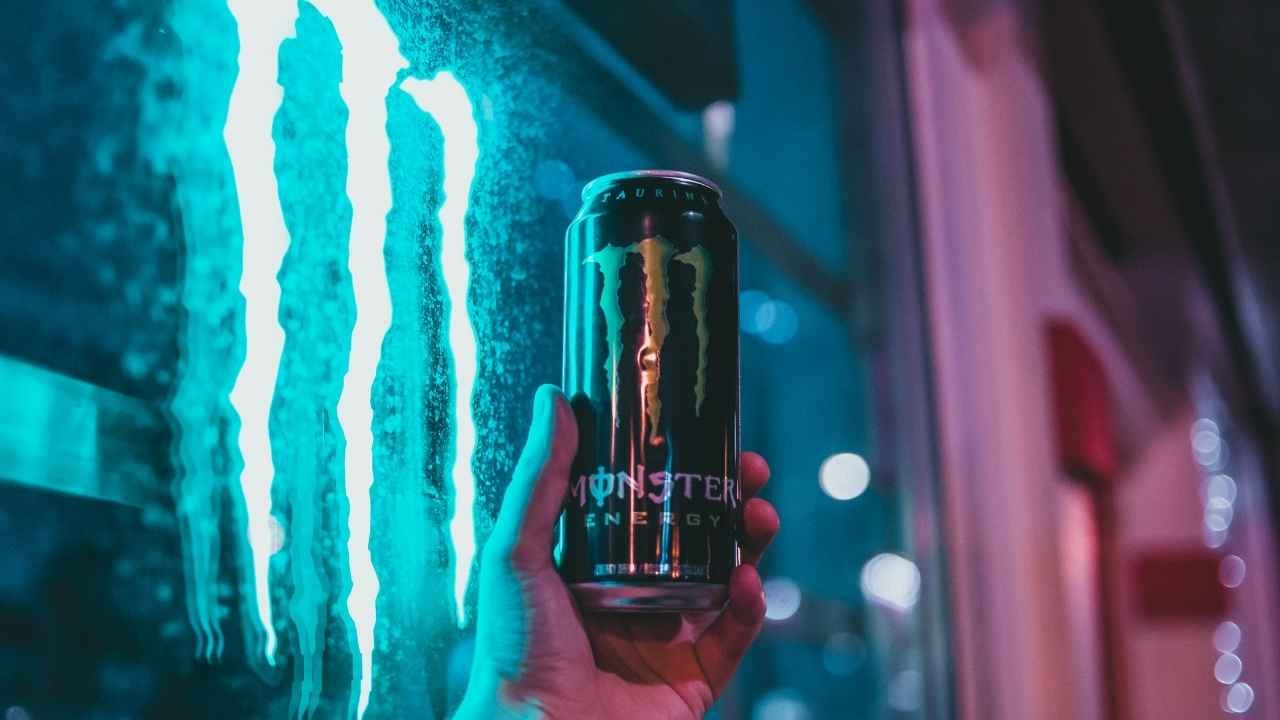
Here’s the quick answer: a standard 16 oz can of Monster Energy contains 160 mg of caffeine — about 10 mg per ounce. But that’s only the beginning of the story.
Monster has over 300 flavors worldwide as of 2026, and the caffeine content swings wildly — from under 20 mg in Monster Unleaded all the way up to 300 mg in Java Monster 300. Grab the wrong can for the wrong moment, and you’re either underwhelmed or wired at 2am wondering what went wrong.
I’ve been testing, tracking, and drinking Monster across different lines for years — during gym sessions, late-night writing deadlines, and long highway drives. I’ve had the jittery afternoons. I’ve also had the frustrating mornings where a “light” Monster did absolutely nothing. In this guide, I’ll give you every caffeine number you actually need, explain why Monster hits differently than coffee, flag the real health considerations, and help you pick the right can for what you’re actually trying to do.
The Core Answer: How Much Caffeine Is in a Monster?
The original Monster Energy Drink contains 160 mg of caffeine per 16 fl oz can — or exactly 10 mg per ounce.
To put that in perspective:
- It equals roughly 1.5 to 2 cups of brewed coffee (which runs 80–100 mg per 8 oz cup)
- It’s double a Red Bull (80 mg per 8.4 oz)
- It’s roughly half a Bang Energy (300 mg)
- It accounts for exactly 40% of the FDA’s daily recommended caffeine intake of 400 mg for healthy adults
That 160 mg number applies to the classic green can — but the Monster lineup is enormous, and the numbers shift significantly across product lines.
Caffeine in Every Monster Energy Line (Complete 2026 Chart)
Here’s what I’ve cross-referenced from label data, the official Monster product pages, and verified third-party nutrition databases. Use this as your go-to reference before you grab a can.
Classic Monster Energy Line (16 oz)
| Flavor | Caffeine | Sugar | Calories |
| Original (Green) | 160 mg | 54g | 210 |
| Monster Lo-Carb | 160 mg | 6g | 30 |
| Monster Assault | 160 mg | 54g | 210 |
| Monster Khaos (Juice) | 160 mg | 52g | 200 |
| Monster Pipeline Punch | 160 mg | 52g | 200 |
| Monster Mango Loco | 150 mg | 52g | 200 |
| Monster Mega (24 oz) | 240 mg | 81g | 315 |
Monster Ultra Line — Sugar-Free (16 oz)
| Flavor | Caffeine | Sugar | Calories |
| Ultra Zero (White) | 150 mg | 0g | 10 |
| Ultra Blue | 150 mg | 0g | 10 |
| Ultra Red | 150 mg | 0g | 10 |
| Ultra Gold | 150 mg | 0g | 10 |
| Ultra Sunrise | 150 mg | 0g | 10 |
| Ultra Fiesta | 150 mg | 0g | 10 |
| Ultra Rosa | 150 mg | 0g | 10 |
| Ultra Violet | 150 mg | 0g | 10 |
| Ultra Watermelon | 150 mg | 0g | 10 |
| Ultra Pink | 140 mg | 0g | 10 |
Java Monster — Coffee-Based Line
| Flavor | Can Size | Caffeine | Notes |
| Java Monster Mean Bean | 15 oz | 188 mg | Coffee + Monster blend |
| Java Monster Loca Moca | 15 oz | 188 mg | Mocha flavored |
| Java Monster Salted Caramel | 15 oz | 188 mg | Best seller |
| Java Monster Irish Blend | 15 oz | 188 mg | Rich, sweet |
| Java Monster 300 — Mocha | 15 oz | 300 mg | Maximum caffeine |
| Java Monster 300 — Vanilla | 15 oz | 300 mg | Maximum caffeine |
| Killer Brew | 15 oz | 300 mg | Strongest in lineup |
Monster Rehab Line — Tea-Based (15.5 oz)
| Flavor | Caffeine | Notes |
| Rehab Lemonade | 155 mg | Non-carbonated, smooth curve |
| Rehab Tea + Orangeade | 155 mg | Light and citrusy |
| Rehab Peach Tea | 155 mg | Easy-drinking |
| Rehab Green Tea | 155 mg | Lightest flavor profile |
Monster Hydro — Water-Based (20 oz)
| Flavor | Caffeine | Notes |
| Hydro Manic Melon | 125 mg | Non-carbonated |
| Hydro Blue Ice | 125 mg | Lighter, water-based |
| Hydro Tropical Thunder | 125 mg | Great for workouts |
High-Caffeine & Specialty Lines
| Product | Size | Caffeine | Notes |
| Monster Extra Strength | 12 oz | 160 mg | Compact, higher density |
| Monster Import | 18.6 oz | 179 mg | European formula |
| Monster Dragon Tea | 23 oz | 60 mg | Gentlest option |
| Monster Unleaded | 16 oz | <20 mg | Essentially caffeine-free |
Important: Monster’s packaging includes a warning label advising consumers not to drink more than 48 oz per day. Some products also list caffeine per serving rather than per container — always check the fine print.

The Hidden Caffeine Problem: What the Label Doesn’t Tell You
Here’s something most Monster articles skip over entirely: the caffeine on the label may not be the full picture.
Monster’s “Energy Blend” contains guarana extract, which adds additional caffeine not always reflected separately on the label, making it harder to gauge your total stimulant intake accurately.
Guarana naturally contains about twice the caffeine concentration of coffee beans. When you’re drinking a can that lists 160 mg of caffeine from added caffeine plus additional caffeine from guarana — the actual stimulant load is somewhat higher than the label implies.
I noticed this the first time I drank a Monster right after a large coffee and genuinely felt more wired than the math suggested I should be. This isn’t necessarily dangerous for most healthy adults consuming moderate amounts — but it’s worth knowing, especially if you’re close to your daily limit.
Monster vs. Coffee: Which Has More Caffeine?
This is one of the most-searched questions about Monster, and the answer genuinely depends on how you’re measuring.
| Drink | Serving Size | Caffeine (mg) | Per Ounce | Duration |
| Monster Energy (Original) | 16 oz | 160 mg | 10 mg/oz | 4–6 hours |
| Brewed Coffee (drip) | 8 oz | ~95 mg | ~12 mg/oz | 2–3 hours |
| Espresso | 2 oz | ~150 mg | ~75 mg/oz | 1–2 hours |
| Cold Brew | 8 oz | ~150–200 mg | ~19–25 mg/oz | 4–6 hours |
| Red Bull | 8.4 oz | 80 mg | 9.5 mg/oz | 2–4 hours |
| Bang Energy | 16 oz | 300 mg | 18.75 mg/oz | 4–6 hours |
| Rockstar | 16 oz | 160 mg | 10 mg/oz | 4–5 hours |
The nuanced truth: Per ounce, brewed coffee actually beats Monster on caffeine density. But Monster wins on total caffeine per serving because you’re drinking 16 ounces at a time versus 8 for a standard coffee cup.
The bigger difference, in my experience, isn’t the amount — it’s the feel. Coffee gives me a fast, sharp peak that I notice within 20 minutes but fades within 2–3 hours. Monster delivers a more gradual, sustained energy curve. The taurine, B vitamins, and ginseng in Monster’s blend seem to smooth out the caffeine spike, at least subjectively. I reach for coffee for a quick morning focus task; I reach for Monster when I know I have a 6-hour stretch ahead of me.
What’s Actually In a Monster? (Full Ingredient Breakdown)
Understanding what you’re drinking beyond caffeine matters — especially if you drink Monster regularly.
The core ingredients in a standard 16 oz Monster:
| Ingredient | Amount | What It Does |
| Caffeine | 160 mg | Primary stimulant — alertness, focus, energy |
| Taurine | ~2,000 mg | Amino acid — supports endurance, may reduce oxidative stress |
| B3 (Niacin) | 43 mg | Converts food into usable energy |
| B6 (Pyridoxine) | 4.6 mg | Supports metabolism, mood regulation |
| B12 (Cobalamin) | 13 mcg | Red blood cell formation, fatigue reduction |
| L-Carnitine | ~300 mg | Transports fatty acids for energy production |
| Panax Ginseng | ~200 mg | Adaptogen — supports mental clarity |
| Guarana Extract | unlisted amount | Additional caffeine source (see above) |
| Sucrose + Glucose | 54g (classic) | Quick fuel and flavor — also the big health concern |
| Inositol | ~50 mg | May support mood and insulin sensitivity |
One thing I want to be honest about: the science on several of these ingredients — especially at the doses in energy drinks — is thinner than Monster’s marketing implies. Taurine and B vitamins play real roles in the body, but there’s limited evidence that the amounts in a Monster can meaningfully boost performance beyond what the caffeine itself provides for most people.

Monster Energy and Your Health: What the Research Says
I’m going to be straightforward here because I think most Monster content dances around this too much.
The Caffeine Is Legitimate — and Generally Fine in Moderation
The FDA’s guideline of 400 mg of caffeine per day for healthy adults is well-established. One can of Monster (160 mg) leaves plenty of room in your daily budget — even with a morning coffee on top. According to the Mayo Clinic’s caffeine guidelines, up to 400 mg daily is considered safe for most healthy adults, though individual sensitivity varies significantly.
The genuine concerns kick in at the edges: multiple cans per day, mixing with alcohol, pre-existing heart conditions, or being under 18.
The Sugar Content Is the Bigger Everyday Problem
A classic 16 oz Monster contains 54 grams of sugar. The American Heart Association recommends no more than 36g per day for men and 25g per day for women. One green can blows past both limits in a single sitting. The Ultra line sidesteps this entirely — 0g of sugar — which is why I personally switched to Ultra most of the time.
The Cardiovascular Research Is Real
According to Harvard Health’s review of energy drink research, people who consume energy drinks experience elevated blood pressure and abnormal electrical activity in the heart for hours afterward — changes that may raise the risk of serious arrhythmias. Case reports have also linked heavy energy drink use, especially when combined with alcohol or intense physical exertion, to episodes of cardiac arrest.
This doesn’t mean one can during a gym session is dangerous for a healthy adult. But it does mean downing two or three per day with pre-existing heart concerns is genuinely risky behavior.
Who Should Avoid Monster Entirely
- Children and teenagers — From 2022 to 2023, there was a 24.2% increase in cases of pediatric exposure to energy drinks for children and teens under 20 years old, according to America’s Poison Centers. ER visits related to caffeine overdose more than doubled for middle schoolers between 2017 and 2023.
- Pregnant women — Caffeine should be limited to under 200 mg per day during pregnancy; one can is already 80% of that limit
- People with heart conditions, anxiety disorders, or high blood pressure
- Anyone mixing with alcohol — caffeine masks the sedative effects of alcohol, making it easier to drink more than you realize
Monster Energy Drink Caffeine vs. Competitors
| Brand | Serving Size | Caffeine | Sugar (standard) |
| Monster (Original) | 16 oz | 160 mg | 54g |
| Monster Ultra | 16 oz | 150 mg | 0g |
| Java Monster 300 | 15 oz | 300 mg | ~40g |
| Red Bull | 8.4 oz | 80 mg | 27g |
| Bang Energy | 16 oz | 300 mg | 0g |
| Reign | 16 oz | 300 mg | 0g |
| Rockstar | 16 oz | 160 mg | 55g |
| NOS | 16 oz | 160 mg | 54g |
| 5-Hour Energy | 2 oz | 200 mg | 0g |
| Celsius | 12 oz | 200 mg | 0g |
| Ghost Energy | 16 oz | 200 mg | 0g |
My honest take: If pure caffeine efficiency is your goal, Bang, Reign, or Celsius give you more per can with no sugar. If you want something that feels like a more relaxed energy experience, Monster Ultra is a better everyday choice than the classic green can. And if you want something with actual coffee flavor and maximum kick, Java Monster 300 is genuinely impressive — though 300 mg in one sitting is serious business.
How to Choose the Right Monster for Your Situation
After testing most of the lineup, here’s my honest recommendation guide:
| Situation | Best Pick | Why |
| Long work or study session (4–6 hours) | Monster Ultra Zero | 150 mg, no sugar crash, clean energy |
| Pre-workout (gym, sport) | Classic Monster or Monster Lo-Carb | Fast-absorbing, reliable 160 mg |
| Coffee replacement at home | Java Monster Mean Bean | Closest to iced coffee in taste and feel |
| Long drive or afternoon slump | Monster Rehab (Lemonade) | Smooth caffeine curve, non-carbonated, easier on the stomach |
| Caffeine-sensitive or low-tolerance | Monster Unleaded or Dragon Tea | <20 mg or 60 mg — far gentler options |
| Maximum caffeine needed | Java Monster 300 or Killer Brew | 300 mg — use with full awareness |
| Sugar-free but full strength | Any Monster Ultra flavor | 150 mg, zero sugar, wide variety |
| Post-workout hydration + caffeine | Monster Hydro | Non-carbonated, 125 mg, water-based |
How Long Does Monster Caffeine Last?
Caffeine’s half-life in the human body is approximately 5–6 hours for most adults — meaning half the caffeine from a Monster is still in your system 5–6 hours after you drink it.
Practical timeline for a 160 mg Monster:
- 0–30 minutes: Caffeine begins absorbing; taurine and ginseng may extend and smooth the onset
- 30–60 minutes: Peak caffeine blood concentration — sharpest alertness
- 1–4 hours: Sustained focus zone — this is where Monster genuinely shines vs. coffee
- 4–6 hours: Gradual decline; most people feel the drop around here
- 6–10 hours: Residual caffeine still in your system, possibly affecting sleep quality
I learned the hard way that a 4pm Monster still affected my ability to fall asleep at 11pm. The numbers bear that out — by 10pm, I still had roughly 40–50 mg of active caffeine circulating. If you’re sensitive to sleep disruption, cut off Monster (and all caffeine) by early afternoon.

Is Monster Bad for You? My Honest Take
Monster isn’t the villain some headlines make it out to be, but it’s not a health drink either. Here’s a realistic summary:
Occasional use by healthy adults: Fine. One can, a few times a week, for a healthy adult without heart issues is unlikely to cause problems. The caffeine is well within FDA-safe limits, and the other ingredients at these doses are generally tolerated.
Daily classic Monster (with sugar): Concerning long-term — primarily because of the 54g of sugar per can, not the caffeine. Switching to Monster Ultra eliminates that concern almost entirely.
Multiple cans per day: This is where real risk emerges. Two cans puts you at 320 mg of caffeine, close to the daily limit, and 108g of sugar in the classic version. The cardiovascular concerns in the research literature become more relevant here.
The smart approach: I track my total daily caffeine from all sources — coffee, tea, Monster, whatever — and I stay under 350 mg on most days, giving myself a small buffer. I also default to Ultra over the classic green can unless I specifically want the sweeter profile.
Smarter Ways to Use Monster Energy (Tips I Actually Follow)
- Don’t stack it with other caffeine sources without tracking. Your morning coffee + a Monster gets you to 255–260 mg before noon. That’s fine. Add an afternoon coffee and you’re potentially at 350+ mg. Keep a running mental tally.
- Drink it earlier. Given caffeine’s 5–6 hour half-life, a Monster consumed at 2pm means measurable caffeine still circulating at 8–10pm. Move it to 10am–noon for the same energy benefit with far less sleep disruption.
- Go Ultra for everyday use. The Monster Ultra line delivers 150 mg with zero sugar and essentially no calories. For a daily energy drink habit, this is significantly healthier than the classic sugar-loaded version.
- Don’t drink on an empty stomach. I made this mistake during exam week — a Monster on an empty stomach in the morning hit me hard with jitteriness and nausea. A small meal first slows caffeine absorption and softens the edge.
- Never mix with alcohol. This one matters. Caffeine masks alcohol’s sedative signals, so you can end up much more intoxicated than you realize while feeling alert. It’s a genuinely dangerous combination.
- Stay hydrated. Caffeine is a mild diuretic. During heavy workouts especially, pairing a Monster with regular water intake makes a real difference in how you feel.
Thinking how much caffeine is in other drinks? Check out > How Much Caffeine Is Present In Common Beverages
Frequently Asked Questions About Monster Caffeine
How much caffeine is in a 16 oz Monster?
160 mg in the original/classic line. The Ultra line contains 150 mg. Java Monster 300 contains 300 mg.
How much caffeine is in a 24 oz Monster?
The Mega Monster (24 oz resealable can) contains approximately 240 mg of caffeine.
Does Monster have more caffeine than coffee?
Per serving, yes — 160 mg vs. 95 mg in an 8 oz cup. Per ounce, brewed coffee is actually slightly denser (12 mg/oz vs. 10 mg/oz for Monster). It depends how you’re comparing.
How much caffeine is too much per day?
The FDA recommends a maximum of 400 mg per day for healthy adults. Two standard Monsters bring you to 320 mg — close to that ceiling, especially if you’re also drinking coffee or tea.
Does Monster Zero Sugar have caffeine?
Yes. Monster Zero Ultra and all Monster Ultra flavors contain 150 mg of caffeine per 16 oz can — only 10 mg less than the original.
Is Monster bad for you?
For healthy adults in moderation (1 can per day, not every day), the research suggests it’s generally safe. The primary ongoing health concerns are the high sugar content of the classic line (54g per can) and cardiovascular effects at high intake levels. The Ultra line removes the sugar concern entirely. For a deeper look at the research, Harvard Health’s energy drink overview is the most balanced, evidence-based summary available.
Can teenagers drink Monster?
Health authorities — including the American Academy of Pediatrics — recommend against energy drink consumption for anyone under 18 due to the effects of high caffeine on developing cardiovascular and nervous systems.
Is the caffeine in Monster natural or synthetic?
Monster Energy does not specify on the ingredient list whether its caffeine is natural or synthetic. Due to the prevalence of synthetic caffeine use in most energy drinks, it’s generally assumed to be at least partially synthetic in origin. Synthetic caffeine is absorbed through the digestive system faster than naturally occurring caffeine, resulting in a quicker energy spike — and potentially a faster crash.
How long does Monster caffeine stay in your system?
Caffeine’s half-life is approximately 5–6 hours. After a 160 mg Monster, you’ll still have roughly 80 mg active in your system 5–6 hours later. Most people clear the majority of it within 8–10 hours.
What Monster has the most caffeine?
Java Monster 300 and Killer Brew both contain 300 mg of caffeine per 15 oz can — nearly double the standard Monster formula.
What Monster has the least caffeine?
Monster Unleaded, at under 20 mg per 16 oz can. Monster Dragon Tea comes next at approximately 60 mg per 23 oz can.
Final Verdict
A standard Monster Energy contains 160 mg of caffeine per 16 oz — a meaningful but not extreme amount that sits comfortably within safe daily limits for most healthy adults. The lineup spans from essentially caffeine-free (Unleaded) to seriously powerful (Java 300 / Killer Brew at 300 mg), which means the right answer to “how much caffeine is in a Monster?” always depends on which Monster you’re holding.
The caffeine itself is legitimate and effective. My main recommendation: if you drink Monster regularly, switch from the classic sugar-loaded original to the Ultra line — you get 150 mg of caffeine with zero sugar and essentially zero calories. That one swap removes the biggest ongoing health concern from daily Monster consumption.
Know your numbers, track your total daily caffeine from all sources, stop drinking it by early afternoon, and you’ll get every benefit Monster offers without the downsides.