In this Article
- What Makes Espresso Different from Other Coffee?
- Espresso Brewing Parameters: The “Golden Ratio”
- Essential Equipment for Home Espresso
- Step-by-Step Workflow for Pulling the Perfect Shot
- Espresso-Style Alternatives Without a Machine
- The Italian “Four M” Philosophy
- Common Espresso Mistakes
- Frequently Asked Questions
Brewing espresso at home can sometimes feel like a precision experiment rather than a simple coffee routine. Many coffee enthusiasts watch skilled baristas pull thick, caramel-colored espresso shots and wonder why their own attempts produce sour, watery, or overly bitter coffee. The difference usually comes down to understanding the core variables of espresso extraction.
Espresso is a concentrated coffee beverage prepared by forcing hot water through finely ground coffee under high pressure, typically around 9 bars. This brewing method produces a small but intense shot with a dense body and a golden foam layer known as crema. In my years of brewing, I’ve found that the “Aha!” moment happens when you stop fighting the machine and start listening to the coffee. Once the key variables grind size, temperature, time, and pressure are balanced correctly, espresso brewing becomes far more predictable and enjoyable. With practice, the process evolves from trial and error into a reliable, rewarding morning ritual.
What Makes Espresso Different from Other Coffee?
The defining characteristic of espresso is pressure-based extraction. While other brewing methods rely on different processes, espresso stands alone:
- Drip coffee uses gravity to pass water through a paper or metal filter.
- French press uses immersion brewing, where coffee grounds steep directly in water for several minutes.
- Espresso machines force pressurized water through a compact “puck” of finely ground coffee in seconds.
What Is Espresso?
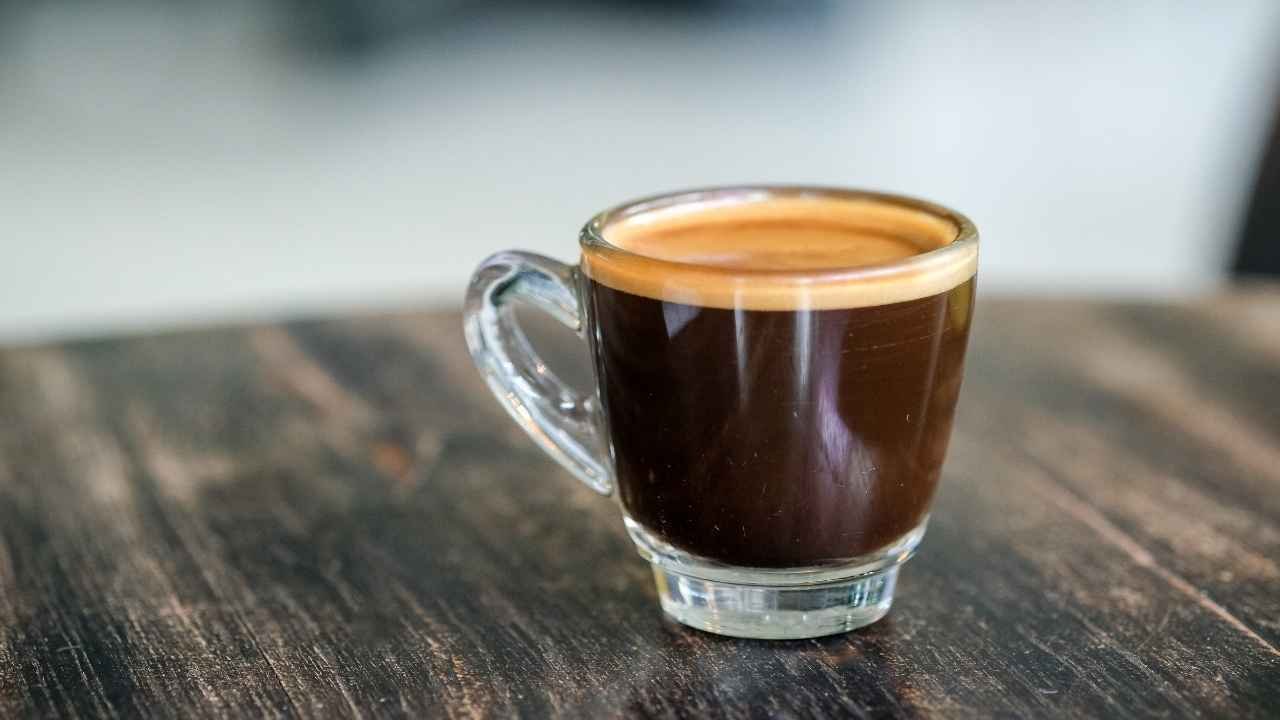
Espresso is a concentrated coffee brewed by forcing hot water through finely ground coffee at approximately 9 bars of pressure. This process produces a dense shot with a creamy foam layer called crema and a stronger flavor concentration than standard brewed coffee. The high pressure emulsifies coffee oils and extracts aromatic compounds quickly, producing the rich texture and layered flavor profile associated with high-quality espresso. If you don’t see that oily, hazelnut-colored foam on top, you haven’t technically made espresso; you’ve made very strong coffee.

Espresso Brewing Parameters: The “Golden Ratio”
To achieve consistency, you must move away from “eyeballing” your ingredients. Use this quick reference guide:
| Metric | Recommended Range | Why It Matters |
| Prep Time | ~3 minutes | Includes puck prep and heating. |
| Extraction Time | 25–30 seconds | The window for balanced flavor. |
| Coffee Dose | 18–20 grams | The “input” (dry weight). |
| Yield | 36–40 grams | The “output” (liquid weight). |
| Brew Ratio | 1:2 | Standard strength for modern espresso. |
The 1:2 brew ratio means that for every gram of ground coffee used, the final espresso yield should be approximately twice that amount in liquid espresso. I recommend starting here; if the shot is too intense, try a 1:2.5 ratio to open up the floral notes.
Essential Equipment for Home Espresso
Coffee professionals often recommend investing more in the grinder than the espresso machine itself. A high-quality burr grinder has a greater impact on espresso quality than many beginners expect.
1. The Burr Grinder (The Most Important Tool)
A proper espresso grinder should use conical or flat burrs and allow “stepless” grind adjustments. Blade grinders are the enemy of espresso; they create “fines” and “boulders” (uneven sizes), which causes the water to over-extract the small dust and under-extract the big chunks simultaneously.
2. The Espresso Machine
Home machines typically fall into three categories: Manual (lever-style), Semi-automatic (you control the pump start/stop), and Automatic. If you are buying your first machine, look for one with a “PID” (Proportional-Integral-Derivative) controller. This is a fancy term for a digital thermostat that ensures the water temperature doesn’t fluctuate by more than a degree during the shot.
3. The Tamper & Scale
Most espresso portafilters use a 58 mm tamper. I suggest a calibrated, spring-loaded tamper for beginners. It removes the “how hard should I press?” guesswork by clicking once you reach the ideal 30 pounds of pressure. Additionally, a digital scale accurate to 0.1 grams is essential. In the world of espresso, 0.5 grams of coffee is the difference between a sweet shot and a sour one.
4. Fresh Coffee Beans
Freshness is critical. Coffee beans are best used within 14–21 days after roasting.
Pro Tip: Check the bag for a “valve.” Fresh coffee releases CO2; if the bag is puffy, that’s a good sign. If the beans are oily and black, they are likely over-roasted and will taste like carbon in an espresso machine.

Step-by-Step Workflow for Pulling the Perfect Shot
1. Grinding the Coffee
Measure 18–20 grams of whole coffee beans. The grind should resemble fine sand. A good test is to pinch the grounds: they should clump together slightly but fall apart with a light poke. If they stay in a hard ball, you’re too fine. If they don’t clump at all, you’re too coarse.
2. Dosing and Distribution
Place the ground coffee into the portafilter basket. Don’t skip distribution! I highly recommend using a WDT (Weiss Distribution Tool). By stirring the grounds with thin needles, you eliminate air pockets. This prevents “channeling,” where water blasts a hole through the coffee puck instead of flowing through it evenly.
3. Tamping
Place the portafilter on a stable surface. Apply firm, level pressure. The goal is a level bed. If your tamp is slanted, the water will rush to the “low” side, leaving half your coffee under-extracted.
4. Thermal Management (The Pre-Heat)
Allow the machine to heat for at least 15 minutes. Even if the “Ready” light is on, the heavy metal group head is likely still cold. Run a 2-second “cooling flush” before locking in. This clears old grounds and ensures the water hitting the coffee is actually at 200°F.
5. Espresso Extraction
Insert the portafilter and begin timing immediately.
- The “Slow Drip” Phase: 0–8 seconds.
- The “Honey Flow” Phase: 10–25 seconds.
If the liquid looks like water rather than syrup, your grind is too coarse. If it barely drips after 15 seconds, your grind is too fine.
6. Evaluating the Shot
A properly extracted espresso shot often shows three visible layers: the Heart, the Body, and the Crema. Taste your shot! If it’s sour (like a lemon), it’s under-extracted—grind finer. If it’s bitter (like ash), it’s over-extracted—grind coarser.
Espresso-Style Alternatives Without a Machine
French Press Coffee Concentrate
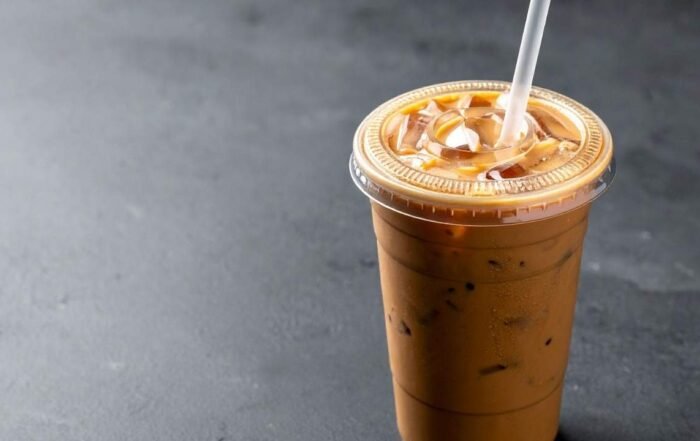
You can mimic an espresso’s strength with a French Press by using a 1:4 ratio. Steep for four minutes, stir the “crust” on top, and let it sit for another 5 minutes before plunging. This “immersion concentrate” is the best base for a homemade Iced Latte because it holds up against the milk.
Moka Pot (The Italian Stovetop)
The moka pot uses steam pressure (1.5 bars). To avoid the “metallic” taste many people hate, start with boiling water in the bottom chamber. This reduces the time the beans spend sitting on a hot stove, preserving the delicate oils.
Keurig “Strength” Adjustments
Select the “Strong” brew setting and the smallest cup size. For the best results, use a reusable K-cup with a “Dark Roast” espresso blend ground slightly finer than standard drip coffee.

The Italian “Four M” Philosophy
Traditional Italian espresso culture emphasizes four factors known as Quattro M:
- Macinazione (Grind): Requires daily adjustment for humidity.
- Miscela (Blend): The “recipe” of the bean.
- Macchina (Machine): The tool. Keep it clean! A dirty machine produces rancid-tasting shots.
- Mano (The Hand): Your personal skill and “feel.”
Common Espresso Mistakes
- Using Stale Beans: No crema, thin body.
- Dirty Portafilter: Old oils taste like burnt rubber.
- Too Many Changes: If your shot is bad, change ONLY the grind size first. Don’t change the dose and the temperature at the same time, or you’ll never learn what went wrong.
Frequently Asked Questions
How long does it take to learn espresso brewing?
Most beginners produce consistent shots after 2–3 weeks of daily practice. The “mastery” comes when you can taste a shot and know exactly which knob to turn to fix it.
What is the most common beginner mistake?
Using “Espresso Roast” beans from a grocery store. These are often months old. Visit a local roaster and look for beans roasted in the last 14 days.
Can pre-ground coffee be used?
Only if you have a “pressurized” filter basket. Otherwise, it will flow through like water because the coffee has lost the CO2 needed to create resistance.