In this Article
- What You Need to Know Before You Start (Don’t Skip This)
- The 4 Methods for Making Microwave Coffee
- Method 1: Instant Coffee in the Microwave (The Classic)
- Method 2: Ground Coffee Steeped in the Microwave
- Method 3: The Coffee Filter Bag Method (Surprisingly Good)
- Method 4: Use the Microwave Just to Heat Water, Then Brew Normally
- How to Make a Microwave Coffee Latte (With or Without a Frother)
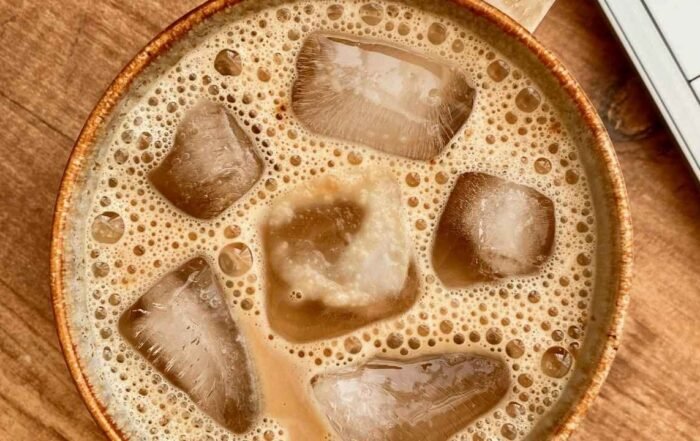
- Iced Microwave Coffee
- Vegan and Dairy-Free Microwave Coffee

- Microwave Coffee Safety: The Complete Guide
- Reheating Old Coffee in the Microwave
- Microwave Coffee Calories and Nutrition
- Microwave Coffee Caffeine Content
- Microwave vs. Traditional Brewing: Honest Comparison
- Common Microwave Coffee Mistakes (And How to Fix Every One)
- Cost Breakdown: Microwave Coffee vs. Café
- Coffee Without a Coffee Maker: Other Methods to Know
- FAQ: Every Microwave Coffee Question Answered
- The Honest Bottom Line

Yes, you can absolutely make real, drinkable coffee in a microwave — and with the right method, it can taste surprisingly good. Whether your coffee maker just died, you’re in a hotel room with nothing but a microwave and a packet of instant, or you’re a student whose only kitchen appliance is a dorm microwave, this guide covers every method, every safety trap, and every trick to actually make it taste decent.
No fluff. Just coffee.
What You Need to Know Before You Start (Don’t Skip This)
Most guides jump straight to “heat water, add coffee.” They skip the one piece of information that matters most: superheating is a real safety risk, and if you heat water the wrong way in a microwave, you can get a face full of suddenly erupting boiling water.
Here’s what’s happening: microwaves heat water molecules unevenly. In a clean, smooth container, water can actually exceed its boiling point without visibly bubbling. The moment you disturb it — pick up the mug, drop in a spoon, add instant coffee — the heat releases all at once in a violent eruption. Washington State University’s safety division warns that even just adding instant coffee to superheated water can trigger this explosion.
The FDA recommends against microwaving water for excessive periods, and Washington State University food safety researchers confirm that even the simple act of stirring superheated water can cause serious scalding burns.
Don’t panic — it’s easy to prevent. But you need to know about it first. All the methods below include the exact safety steps to avoid it.
The 4 Methods for Making Microwave Coffee
Not all microwave coffee is instant coffee. Depending on what you have available, there are four distinct methods — and they produce noticeably different results.
| Method | What You Need | Quality | Time |
| Instant coffee | Instant granules + mug | Decent | 3–4 min |
| Ground coffee steep | Ground coffee + mug | Good | 6–8 min |
| Filter bag method | Ground coffee + paper filter | Very good | 7–9 min |
| Microwave + French press | French press + microwave to heat water | Excellent | 5–6 min |
Choose your method based on what you have available. If you only have instant coffee, go to Method 1. If you have ground coffee and nothing else, Method 2 or 3 will give you a far better cup.

Method 1: Instant Coffee in the Microwave (The Classic)
The fastest option. Ready in under 4 minutes from start to first sip.
Ingredients (per cup):
- 240 ml (8 oz) cold filtered water
- 1–2 teaspoons instant coffee granules
- Sugar, milk, or creamer (optional)
Step-by-step:
- Place a wooden chopstick, popsicle stick, or non-metal spoon in your microwave-safe mug before heating. This creates nucleation points that allow bubbles to form naturally and prevents superheating. Never skip this step.
- Pour 240 ml of cold water into the mug. Leave at least 2–3 cm of headspace at the top to prevent boil-over.
- Heat at 80% power (not full power) for 60–90 seconds. Check the water — it should be steaming and hot but not violently boiling. If not hot enough, continue in 20-second increments at 80% power.
- Remove from microwave slowly and carefully. Don’t jostle the mug. Let it sit on the counter undisturbed for 30 seconds before touching anything else.
- Add your instant coffee granules and stir gently until fully dissolved.
- Add milk, sugar, or creamer as desired. Stir again and let settle for 30 seconds before drinking.
Total time: 3–4 minutes
Instant Coffee Brand Comparison: Which Actually Tastes Good?
Most instant coffee tastes like a memory of coffee rather than coffee itself. But there’s a real quality spectrum, and it matters more in a microwave situation because you have no other variables to hide behind.
Nescafé Gold / Nescafé Taster’s Choice: The most widely available quality tier. Noticeably better than basic Nescafé Red Cup — more rounded, less harsh. A solid default for dorm rooms and offices.
Mount Hagen Organic Freeze-Dried: A genuine step up. Freeze-dried instant coffee preserves more of the original coffee’s character than spray-dried versions. Lighter, cleaner taste with actual brightness. Worth keeping on hand if you make microwave coffee regularly.
Starbucks VIA Instant: Decent and consistent — probably the most recognized option globally. The medium roast (Colombia) performs better in microwave coffee than the Italian Roast, which can taste sharp without proper brewing.
G7 Vietnamese Instant Coffee (3-in-1): Already contains sugar and creamer — just add hot water. Richer, sweeter, and more satisfying than standard Western instant coffee. If you want a quick, sweet, creamy microwave coffee without measuring anything, this is the one.
What to avoid: Generic store-brand instant coffee that’s been sitting open for more than a few months. Instant coffee stales faster than you’d think once opened, and the flat, cardboard flavor it develops survives no amount of good technique.
Method 2: Ground Coffee Steeped in the Microwave
No instant coffee? You can still brew a decent cup with regular ground coffee, a mug, and a bit of patience for the grounds to settle. Think of this as a primitive, improvised French press.
What you need:
- 1–2 tablespoons medium-coarse ground coffee
- 240 ml (8 oz) water
- A second mug or cup for straining into
- Fine mesh strainer (ideal) or careful pouring
Step-by-step:
- Place a wooden stick in the mug first (same superheating prevention as Method 1).
- Pour cold water into the mug — 240 ml with 2 cm headspace.
- Heat at 80% power in 60-second bursts until the water is steaming hot but not boiling. Total: 90 seconds to 2 minutes for most microwaves.
- Remove slowly. Let sit 30 seconds.
- Add your ground coffee and stir gently to wet all the grounds.
- Place a small plate or paper towel over the mug and steep for 4 minutes for a balanced cup, or 5 minutes for stronger.
- Strain into your drinking mug through a fine mesh strainer, a folded paper filter, or — if you have nothing — pour extremely slowly while holding a spoon at the rim to block the grounds.
Grind size matters here. Use medium-coarse — similar to coarse sand — not fine espresso grind. Fine grounds slip through any improvised strainer and create a gritty, over-extracted mess. Coarser grinds also settle faster, which helps with sediment-free pouring.
Total time: 7–8 minutes
Method 3: The Coffee Filter Bag Method (Surprisingly Good)
This method is the best quality option when all you have is ground coffee and a microwave. It’s what you do when you want actual brewed coffee, not instant, and not a muddy steep.
What you need:
- 1 paper coffee filter
- 2 tablespoons medium-fine ground coffee
- 1 binder clip or rubber band
- A mug
- A wooden stick or chopstick
Step-by-step:
- Fold the paper coffee filter in half, then fold both sides toward the middle to create a small bag shape.
- Add 2 tablespoons of ground coffee into the filter bag.
- Seal the top with a binder clip or fold it tightly and secure with a rubber band.
- Place your wooden stick in the mug, add 240 ml of cold water, and heat at 80% power for 90–120 seconds until the water is steaming but not boiling.
- Remove the mug carefully. Let sit 30 seconds.
- Lower the coffee filter bag into the hot water like a tea bag.
- Steep for 4–5 minutes. Give it one gentle dip midway.
- Remove the filter bag and squeeze it gently against the side of the mug with a spoon to extract the remaining liquid.
- Add milk, sugar, or whatever you like, and enjoy.
The result is a genuinely filtered cup of coffee — no sediment, better clarity, and a noticeably cleaner flavor than the steep-and-strain method. It takes two more minutes but the quality difference is real.
One thing nobody mentions: the size of your filter matters. Standard basket-style filters are easier to fold into a bag shape than cone filters. If you only have cone filters, fold them into a triangle pouch instead.
Method 4: Use the Microwave Just to Heat Water, Then Brew Normally
This is actually the best microwave coffee method, and virtually nobody talks about it in these guides. If you have any manual brewing device — a French press, an AeroPress, a pour-over dripper, even a moka pot top-chamber — use the microwave only to heat water, then brew your coffee the proper way.
Boiling point for water on your stove vs. microwave makes zero difference to extraction quality. The difference is entirely in how you brew, not how you heated the water.
If you have a French press:
- Heat water to near-boiling in the microwave using the safety method above
- Let it cool 30 seconds (targets ~93°C / 200°F — the sweet spot for French press)
- Add 1 tablespoon of coarse-ground coffee per 120 ml of water to the French press
- Pour, stir, steep 4 minutes, press and pour
The result is proper French press coffee. Not “microwave coffee.” Just coffee.
If you have a pour-over cone:
- Heat water, let cool 30 seconds
- Place filter in cone, add medium-fine ground coffee (1:15 coffee-to-water ratio)
- Pour slowly in circles over the grounds
- Same result as brewing on a stovetop
This is worth knowing because it reframes the whole situation: the microwave is a water heater, not a coffee brewer. Use it just for that, and pair it with whatever brewing device you have — even a basic one. You’ll be shocked how much better the coffee tastes.
How to Make a Microwave Coffee Latte (With or Without a Frother)
You can make a passable microwave latte in under 5 minutes. Here’s how.
Microwave Latte — No Special Equipment:
- Brew a strong instant coffee in 120 ml (4 oz) of hot water — use 2 teaspoons of instant for a small, concentrated cup.
- In a separate microwave-safe jar or mug, add 120 ml of whole milk or barista-blend oat milk.
- Shake the jar with the lid on for 30–40 seconds until frothy.
- Remove the lid and microwave the milk uncovered for 25–30 seconds. The microwave heat sets the foam and makes it stable.
- Pour your coffee base first, then spoon the foam over the top.
With a handheld frother (the upgrade worth $10): A handheld milk frother like the Zulay Kitchen Milk Boss or the PowerLix takes 20 seconds to froth milk to café quality — just heat the milk in the microwave for 45 seconds first, then froth. The foam is noticeably better than the shake-and-microwave method, and these frothers are under $12 and run on two AA batteries. If you’re making microwave lattes more than occasionally, it’s the single best investment for your coffee setup.
Check out our guide to the best handheld milk frothers for a full comparison including battery vs. USB-rechargeable models.
Iced Microwave Coffee
Yes, you can make iced coffee from a microwave. The method is simple and works well with instant coffee or the ground coffee steep method.
Fast Iced Microwave Coffee:
- Brew your instant coffee using only 120 ml of water instead of 240 ml — this makes a concentrated half-portion.
- Add 2 teaspoons of instant coffee instead of 1 (double strength, half water).
- Stir to dissolve completely.
- Pour immediately over a full glass of ice.
- Add cold milk, oat milk, or cream directly over the ice.
- Stir and drink.
The ice melts and dilutes the concentrate back to normal strength while chilling it instantly. Do not let the coffee cool to room temperature before pouring — it will taste flat.
Iced Microwave Coffee Latte (Starbucks Copycat): For something closer to a Starbucks iced latte at home, brew your microwave coffee double-strength, pour over ice, then add barista oat milk (Oatly Barista is by far the best option — creamier, better flavor, won’t curdle in hot coffee). Add a pump of vanilla syrup if you like it sweet. Total cost: under $1. Comparable Starbucks drink: $6–$7.
Vegan and Dairy-Free Microwave Coffee
Every method above works perfectly with plant-based milk. A few practical notes:
Best options for microwave coffee:
- Barista oat milk (Oatly Barista, Minor Figures, Califia Barista) — froths well, doesn’t curdle, mild sweetness that pairs with coffee
- Soy milk — good froth, slightly beany in thinner preparations; better with dark roast coffee to mask it
- Coconut milk (canned, full-fat) — creamy and rich, doesn’t froth well but delicious stirred in
- Regular (thin) almond milk — works fine if you’re not frothing, but frequently splits in very hot coffee and leaves an unpleasant separated texture
Oat milk frothing tip: Microwave barista oat milk for 40–45 seconds, then froth with a handheld frother. It behaves almost identically to whole milk — you get proper microfoam, not just bubbles. Regular oat milk doesn’t froth as well because it lacks the extra emulsifiers in barista-blend formulas.
Microwave Coffee Safety: The Complete Guide
This section exists because virtually every guide online buries the safety warnings or skips them entirely. Here are the real facts.
The Superheating Risk
Superheating happens when water is heated in a smooth, clean container past its boiling point without actually forming bubbles. It looks completely calm. Then the moment you move it, tilt it, or drop in instant coffee, the energy releases all at once as a violent eruption of boiling water.
Washington State University’s food science department warns that this specific scenario — adding instant coffee to microwave-heated water — is one of the most common triggers. The FDA has reported burn injuries from exactly this situation.
Crucially: this is easy to prevent.
Five rules that eliminate the risk:
- Always place a non-metal object (wooden chopstick, popsicle stick, coffee stirrer) in the mug before heating — it creates bubble nucleation points
- Never use a brand-new, perfectly smooth glass container for microwave water heating — it has no surface imperfections to promote normal bubbling
- Heat in short 60–90 second bursts at 80% power, not full blasts on 100%
- Let the mug sit undisturbed for 30 seconds after microwaving before moving or adding anything
- Add instant coffee or sugar before heating when possible (this virtually eliminates the superheating risk, per FDA guidance)
What Mugs Are Microwave-Safe?
Check the bottom of the mug for a microwave-safe symbol (three wavy lines). When in doubt:
- Ceramic mugs: Usually safe. Avoid anything with metallic paint, metallic rim trim, or decorative metal accents — these spark.
- Glass mugs: Safe if labeled so, but more prone to superheating than ceramic due to their smooth interior surface
- Paper cups: Safe for short heating only; they can get very hot
- Plastic mugs: Only if explicitly labeled microwave-safe. Avoid all others — they can leach compounds into your coffee when heated
- Metal mugs/travel cups: Never. Ever.
Reheating Old Coffee in the Microwave
Sometimes you have leftover coffee that went cold. Reheating it is not the same as making fresh microwave coffee, and the results are noticeably different.
How to reheat coffee without making it worse:
- Pour the coffee into a ceramic mug (not a travel cup if it has a metal liner)
- Heat at 50–60% power (not full) for 30–45 seconds
- Stir immediately after removing
- Test the temperature — if not hot enough, continue in 15-second intervals at 50% power
Lower power reheats more evenly and avoids scorching the coffee, which intensifies bitterness. Full power reheating is fast but consistently produces flatter, harsher coffee.
The honest truth: reheated coffee is always worse than fresh coffee. The aromatic compounds that create most of the flavor and fragrance dissipate during the first brew and don’t come back. Reheated coffee tends to taste flat, slightly metallic, and more bitter than fresh. If you have the option, brew fresh. If you’re reheating, low power and a quick stir are your best tools to minimize the damage.
How long can coffee sit before reheating becomes pointless? Black coffee stored at room temperature starts tasting noticeably flat within 30–45 minutes. Coffee with milk in it should be refrigerated if it’s going to sit for more than 20 minutes, and it should be reheated and consumed within 24 hours.
Microwave Coffee Calories and Nutrition
Plain black microwave instant coffee contains virtually nothing.
| Preparation | Approximate Calories |
| Black instant coffee (8 oz) | ~5 kcal |
| With 1 tsp sugar | ~21 kcal |
| With 2 tbsp whole milk | ~20 kcal |
| With 2 tbsp coffee creamer (liquid) | ~60–80 kcal |
| Oat milk latte version (4 oz oat milk) | ~65–75 kcal |
| G7 Vietnamese 3-in-1 packet | ~90–100 kcal |
Instant coffee itself contains negligible calories — typically 5 or fewer per serving. Research published by Harvard Health notes that moderate coffee consumption is associated with reduced risk of several chronic conditions, and this applies equally to instant coffee, which contains the same core antioxidant compounds as brewed coffee.
The calorie impact comes almost entirely from what you add to it.
Microwave Coffee Caffeine Content
How much caffeine is in microwave instant coffee? It depends primarily on the brand and how much you use.
| Instant Coffee Brand | Caffeine per tsp (~2g) |
| Nescafé Classic | ~57 mg |
| Nescafé Gold | ~60–65 mg |
| Starbucks VIA | ~130 mg per packet |
| Mount Hagen Organic | ~60–70 mg |
| G7 Vietnamese 3-in-1 | ~50–65 mg |
A standard serving of instant coffee (1–2 teaspoons in 8 oz water) contains approximately 60–130 mg of caffeine — well within the FDA’s recommended daily maximum of 400 mg for healthy adults. Using 2 teaspoons instead of 1 roughly doubles the caffeine content, so adjust based on your tolerance.
Compared to brewed coffee methods, instant coffee generally delivers slightly less caffeine per serving than espresso but similar amounts to standard drip coffee — which is to say, it absolutely works as a caffeine source.
Microwave vs. Traditional Brewing: Honest Comparison
| Factor | Microwave Coffee | Drip Coffee Maker | French Press | Espresso Machine |
| Time to cup | 3–5 min | 5–8 min | 5–7 min | 1–2 min (if warmed up) |
| Equipment needed | Microwave + mug | Coffee maker | French press + heat source | Espresso machine |
| Taste quality | Decent (instant) / Good (ground) | Good | Very good | Excellent |
| Control | Low | Medium | High | High |
| Cost per brew | ~$0.20–0.60 | ~$0.50–1.00 | ~$0.50–1.00 | ~$1.50–3.00 |
| Cleanup | Minimal | Moderate | Moderate | High |
The microwave wins exactly two categories: speed and equipment minimalism. Everything else goes to dedicated brewing methods.
That’s not a knock on microwave coffee — it’s exactly what you want in the situations where you reach for this method. When your coffee maker breaks at 6:45 AM or you’re in a hotel room with no kettle, the microwave gets you caffeinated faster than anything else with less than zero cleanup.
Common Microwave Coffee Mistakes (And How to Fix Every One)
Mistake 1: Using full (100%) microwave power This overheats the water unevenly, creates hot spots, and makes the coffee taste harsh. Drop to 80% power and heat in shorter bursts.
Mistake 2: Not adding a wooden stick before heating This is the superheating prevention step. Miss it and you’re taking an unnecessary risk with scalding water. Takes 2 seconds. Do it every time.
Mistake 3: Adding instant coffee to water that’s still inside the microwave Always remove the mug first, let it sit, then add the coffee. Adding anything to superheated water inside the microwave is the specific scenario where dangerous eruption is most likely.
Mistake 4: Using old, stale instant coffee Instant coffee is actually more shelf-stable than ground coffee, but once opened and exposed to air, it degrades noticeably within 2–3 months. If yours has been sitting open since last year, the flat, metallic taste you’re getting isn’t your technique — it’s the coffee. Buy a fresh jar.
Mistake 5: Not leaving headspace in the mug Fill to a maximum of 75–80% capacity. Hot liquid expands. Overfilled mugs boil over inside the microwave and make a mess that smells for days.
Mistake 6: Overheating the water to full rolling boil Water for coffee ideally should be around 88–96°C (190–205°F) — hot, steaming, just short of boiling. Full boiling water extracts more bitter compounds from instant coffee and makes the cup taste harsh. Stop before it boils.
Mistake 7: Using tap water with strong mineral content Hard tap water noticeably affects the taste of instant coffee. It adds a mineral, chalky undertone that cheapens the whole experience. Filtered water takes the same amount of time and costs almost nothing extra. It consistently produces cleaner-tasting coffee.
Cost Breakdown: Microwave Coffee vs. Café
| Option | Per Cup Cost |
| Nescafé Gold instant (home) | ~$0.20–0.30 |
| Mount Hagen freeze-dried instant (home) | ~$0.45–0.60 |
| Ground coffee steeped (home, medium quality beans) | ~$0.60–0.80 |
| Café drip coffee (takeaway) | ~$2.50–4.00 |
| Café latte (takeaway) | ~$5.00–7.00 |
Annual savings (1 cup/day, instant vs. café drip):
- Instant coffee: ~$75–$110/year
- Café drip coffee: ~$900–$1,500/year
- Savings: $800–$1,400 per year
If you want the honest answer: a decent instant coffee made well in a microwave is a perfectly respectable morning coffee for most people on most days. The people who insist it’s unacceptable often haven’t tried quality freeze-dried instant with filtered water. The gap between that and a café drip coffee — not espresso, just drip — is smaller than the price difference suggests.
Coffee Without a Coffee Maker: Other Methods to Know
The microwave isn’t the only no-equipment option. If you have any of the following, you’ll get better coffee than any microwave method:
- AeroPress + microwave-heated water: Genuinely excellent coffee, very fast, nearly indestructible. One of the best travel brewing tools ever made.
- Pour-over cone (even a cheap plastic one): Microwave-heat your water, pour slowly over grounds. Clean, delicious cup.
- Cold brew in the fridge: No heat required. Mix coarse ground coffee with cold water (1:8 ratio), refrigerate for 12–24 hours, strain. No equipment beyond a jar and a strainer. Smooth, low-acid, ready when you wake up.
- Cowboy coffee: Boil water in a saucepan, add ground coffee, let steep 4 minutes, pour slowly. Older than civilization.
FAQ: Every Microwave Coffee Question Answered
How long do you microwave water for coffee? Heat water at 80% power in 60–90 second bursts until steaming hot but not boiling — typically 90 seconds to 2 minutes in a standard 900–1100 watt microwave. Always place a wooden stick in the mug first to prevent superheating. The ideal water temperature for coffee is 88–96°C (190–205°F), just below a rolling boil.
Can I put ground coffee directly in the microwave with water? Yes, but the result is gritty and over-extracted. If you must use ground coffee in a microwave, add the grounds to already-heated (and slightly cooled) water, steep for 4 minutes covered, then strain into a second mug through a fine mesh strainer or paper filter. The filter-bag method described above is much cleaner and easier.
Is it safe to microwave coffee? Reheating brewed coffee is completely safe. Heating water to make new coffee in a microwave is also safe if you follow superheating precautions: use 80% power, heat in short bursts, place a wooden stick in the mug before heating, and let the water sit 30 seconds before adding anything to it.
Why does my microwave coffee taste bitter? Almost always because the water overheated. Reduce microwave power to 80%, stop before the water reaches a full boil, and let it cool slightly before adding instant coffee. Also check the age of your instant coffee — stale granules taste significantly more bitter than fresh.
Can you make a latte with a microwave? Yes. Brew a strong, concentrated instant coffee in 120 ml of water, then froth milk separately (shake in a jar and microwave 25–30 seconds to set the foam, or use a $10 handheld frother). Pour coffee first, then foam. For an iced latte, pour the double-strength coffee over ice and add cold milk directly.
Is microwave instant coffee the same caffeine as regular coffee? Approximately yes. A standard teaspoon of instant coffee contains roughly 57–70 mg of caffeine, similar to a similar-sized serving of drip coffee. Starbucks VIA packets are higher at approximately 130 mg per packet. Caffeine content varies by brand — check the label.
How many calories are in microwave instant coffee? Plain black instant coffee has approximately 5 calories per 8 oz serving. Adding 1 teaspoon of sugar adds ~16 calories; 2 tablespoons of whole milk adds ~20 calories; a splash of coffee creamer adds 60–80 calories. The coffee itself is essentially calorie-free.
Can you make microwave coffee ahead of time and store it? You can brew it and refrigerate it within 30 minutes of making it — store in an airtight container and consume within 24 hours. Flavor degrades noticeably after the first few hours, especially for instant coffee. Reheat at 50% power in 30-second intervals rather than full power.
What’s the best instant coffee for microwave brewing? Mount Hagen Organic Freeze-Dried consistently outperforms spray-dried alternatives in taste testing — cleaner, brighter, less metallic. Nescafé Gold is a solid widely-available option. Starbucks VIA works well but is more expensive per serving. Avoid very cheap generic store-brand instant that’s been sitting open for months.
Can I make a Starbucks-style iced coffee in the microwave? Yes. Brew double-strength instant coffee (2 tsp in 120 ml hot water), pour immediately over a full glass of ice, add barista oat milk (Oatly Barista is the closest to Starbucks-quality in texture and flavor), and a pump of vanilla syrup or simple syrup if you want it sweet. Total cost: under $1. The Starbucks equivalent costs $6–$7.
Does microwaving water destroy coffee flavor? No. Water at the right temperature (88–96°C) brews coffee correctly regardless of how it reached that temperature. Microwave-heated water at the right temperature extracts the same flavor compounds as stove-boiled or kettle-boiled water at the same temperature. The flavor issues in microwave coffee come from overheating the water or using stale coffee — not from the microwave itself.
What’s the vegan or dairy-free version of microwave coffee? Any of these methods work perfectly with plant-based milk. Barista-blend oat milk (Oatly Barista, Califia Barista Blend) is the best choice — it froths well, doesn’t curdle in hot coffee, and tastes closest to a café-style drink. Heat it separately in the microwave for 40–45 seconds, froth with a handheld frother, and pour over your coffee.
The Honest Bottom Line
Microwave coffee is real coffee. It’s not the best coffee, and nobody’s pretending otherwise. But done right — quality instant, filtered water, 80% power, wooden stick in the mug, patience for 30 seconds before you add anything — it’s a legitimately satisfying cup.
The one change that makes the biggest single difference: buy better instant coffee. Most people are working with whatever bargain jar has been in the back of the cabinet since last winter. Spend an extra dollar per jar on freeze-dried rather than spray-dried, get filtered water, and you’ll wonder why you ever thought microwave coffee was bad.
And if you have any other brewing equipment in the building — a French press, an AeroPress, even a simple pour-over cone — just use the microwave to heat the water and brew normally. Best of both worlds: microwave speed, actual coffee quality.