In this Article
- Why Look for an Alternative to Coffee?
- What Is A Good Alternative To Coffee?
- Best Coffee Alternative for Energy
- Other Herbal and Caffeine Free Options
- Are There Coffee Alternatives That Taste Similar?
- Tips to Transition to a Coffee Substitute Smoothly
- Conclusion | Finding The Best Coffee Alternative for You
Tired of drinkng coffee, craving the same caffeine kick but not sure where to begin looking? You are not alone. Many people feel this way and yet find themselves needing to cut back or completely stop coffee from their everyday plan.
Why Look for an Alternative to Coffee?
Common Reasons People Avoid Coffee
If you are a sensitive person than you might wanna look out, coffee can cause nervousness, insomnia, or tremors. Many people report acid reflux, stomach pain, or digestive problems after coffee. Some also notice coffee stains on teeth and foul breath. Pregnancy, particular drugs, or medical conditions may also necessitate temporary or permanent avoidance of coffee.
Concerns Related to Coffee Consumption
Although moderate coffee is safe for most people, excessive caffeine can cause addiction, high blood pressure, and accelerated heart rate. Some even suffer headaches when they miss a day of coffee, clear indication of a building addiction that should worrie them. It might also obstruct iron absorption and cause anxiety.

What Is A Good Alternative To Coffee?
Coffee substitute depends on what you are looking for. Are you searching for an energy boost, a pleasant day starter, or simply a tasty beverage to savor all day long? So, it’s wise to give your priorities thought before picking one.
Factors to Consider When Picking an Alternative
Consider budget, caffeine tolerance, availability, and taste preferences. While some choices need specific preparation techniques, others are as easy as pouring hot water. Think about whether you prefer something you can easily make at home or don’t mind buying ready-made choices.
Best Coffee Alternative for Energy
Based on my testing, here are the alternatives I’d recommend for daily consumption:
Best for Morning Energy
Yerba Mate: Yerba mate provides about 85% of coffee’s caffeine with smoother, longer-lasting energy. Unlike coffee, it avoids the mid-morning crash.
Cost: $0.45 per serving.
Best for Afternoon Pick-Me-Up
Matcha Green Tea: The combination of caffeine and L-theanine keeps you focused without jitters. Preparation takes practice, but it’s worth it.
Cost: $1.20 per serving (ceremonial grade).
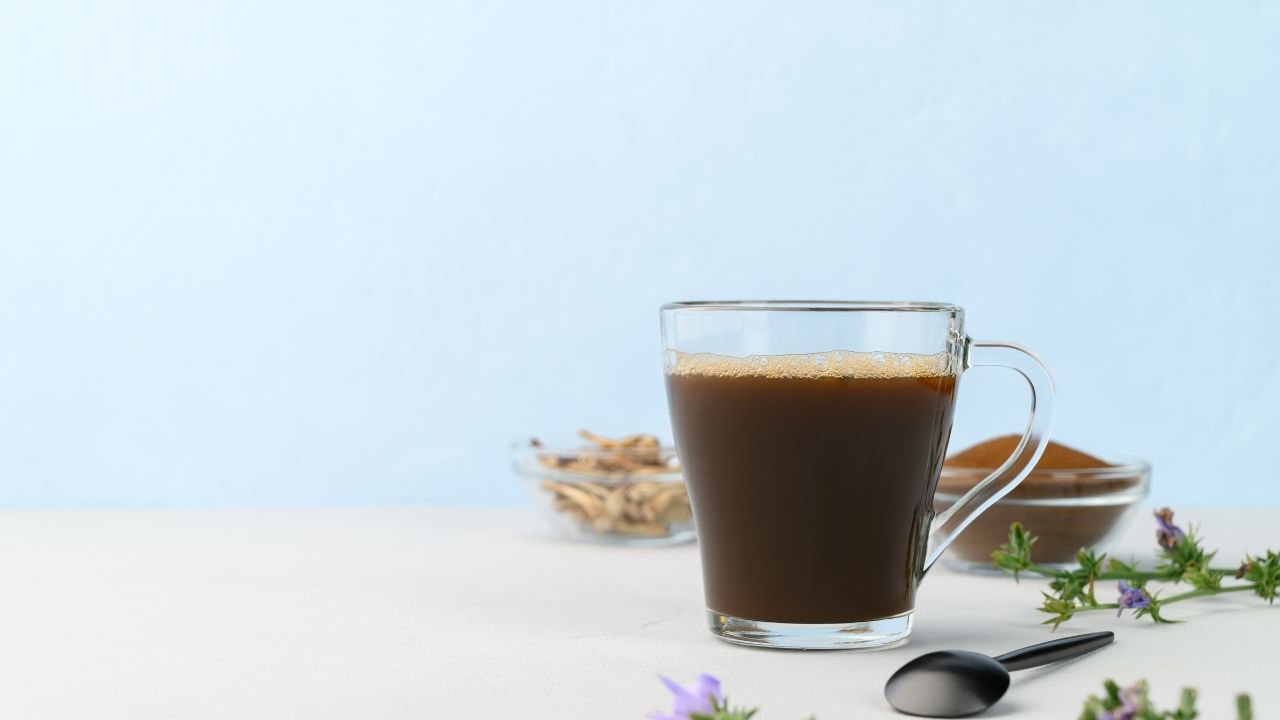
Yerba mate (loose leaf)
Yerba mate has an earthy and grassy taste with subtle smoky undernotes and vegetal bitterness. By steeping for 5 minutes, it gives a slightly acerbic flavor with herbal notes.
Time & Serving
| Prep Time | Steep Time | Total Time | Servings |
| 2 minutes | 5 minutes | 7 minutes | 2 cups |
Ingredients
| Main Ingredient | Amount |
| Yerba Madre Traditional Air Dried Loose Leaf | 2 tablespoons (6g) |
| Filtered water | 16 oz (2 cups) |
| Honey (optional) | 1 teaspoon |
| Lemon slice (optional) | 1 slice |
Making Process
I used a French press for the easiest preparation, though you can use a tea infuser or strainer.
- Add 1-2 tablespoons of loose leaf to French press
- Pour water heated to 160-180°F (not boiling!)
- Steep for 3-5 minutes
- Press and pour
- Optional: Add honey or lemon
My biggest mistake initially: I used boiling water the first time, and it was way too bitter. The lower temperature makes a huge difference in smoothness.
Yerba Mate (Traditional Brew with Honey), Nutrition Facts
| Nutrient | Amount (per 2 cups brew + 1 tsp honey) |
| Calories | 26 kcal |
| Sodium | 5 mg |
| Total Carbohydrates | 6 g |
| Sugars | 5.8 g |
| Protein | 0.1 g |
| Caffeine | 170 mg |
| Antioxidants (Polyphenols) | 90 mg |
Note: Values based on USDA and published lab data; actual results vary by brand and brew strength.
Matcha green tea (ceremonial grade)
Time & Serving
| Prep Time | Whisking Time | Total Time | Servings |
| 3 minutes | 2 minutes | 5 minutes | 1 cup |
Ingredients
| Main Ingredient | Amount |
| Ceremonial grade matcha powder | 2 teaspoons (2g) |
| Hot water (not boiling) | 4 oz (120ml) |
| Optional: Additional hot water or milk | 6 oz for latte-style |
| Optional: Honey or sweetener | To taste |
Making Process
I use a traditional bamboo whisk (chasen) and small bowl (chawan), though a regular small bowl works as well.
Traditional Method (Usucha – Thin Tea):
- Sift 1-2 teaspoons of matcha through a fine-mesh strainer into a bowl.
- Heat water to 175°F (just below boiling). I boil water then let it cool for 2 minutes.
- Add 2-3 oz of hot water to the bowl with the matcha powder.
- Whisk vigorously in a “W” or “M” motion for 30-60 seconds.
- Continue whisking until frothy and no powder clumps remain visible. The surface should look creamy with tiny bubbles.
- Drink immediately while it’s hot and frothy. Matcha settles quickly, so don’t let it sit.
My Mistakes Initially:
| Mistake | Result |
| I whisked in circles the first time | Didn’t create any foam or froth |
| I used water that was too hot | Tasted bitter and destroyed the sweet umami flavor |
| I didn’t sift the powder | Lumps formed and texture became uneven |
Matcha Tea, Nutrition Facts (per 1 serving / 2 g powder + 4 oz water)
| Nutrient | Amount |
| Calories | 6 kcal |
| Total Fat | 0 g |
| Total Carbohydrates | 1 g |
| Sugars | 0 g |
| Protein | 0.5 g |
Note: Values are derived from USDA FoodData Central entries for powdered green tea (matcha). Actual caffeine and antioxidant levels vary with grade, brand, and steeping method.
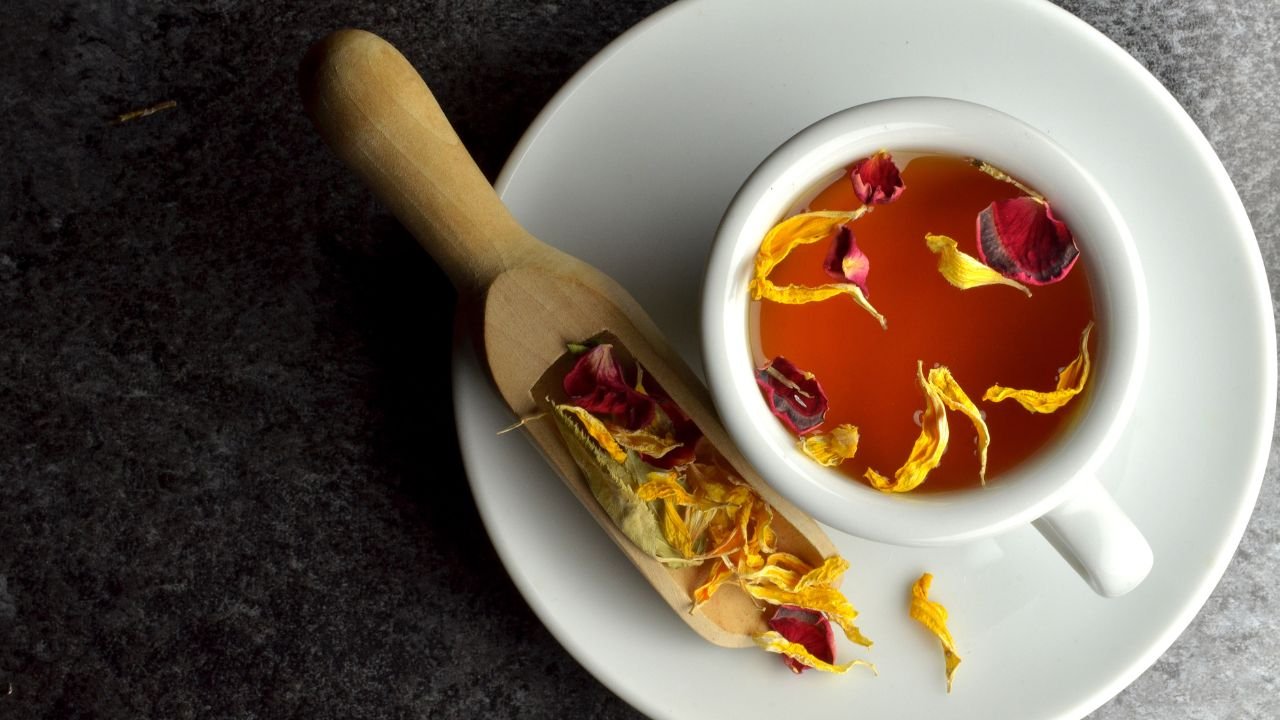
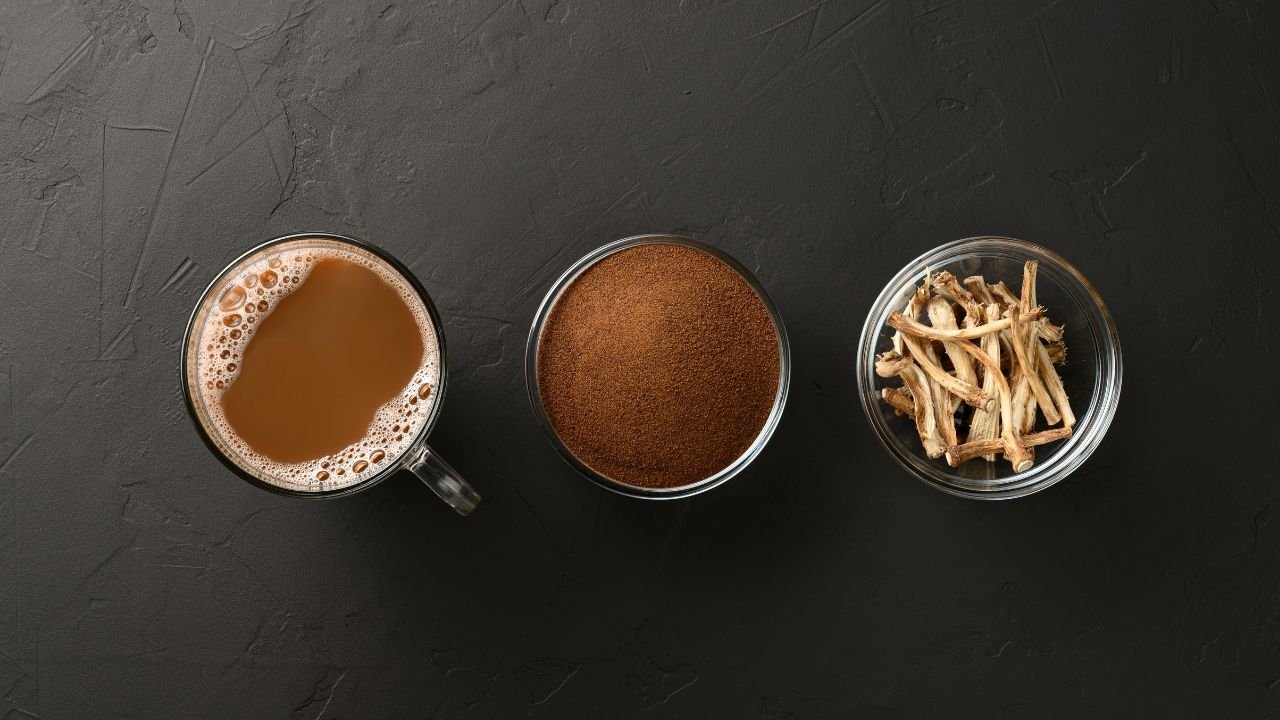
Chicory Root tastes like coffee but has no caffeine at all. It is best for evening coffee lovers.
| Alternative | Pros | Cons | Best For |
| Yerba Mate | High caffeine, smooth energy | Grassy taste (acquired) | Morning energy boost |
| Chicory Root | Tastes like coffee, zero caffeine | Can cause bloating | Evening coffee lovers |
| Matcha | L-theanine for focus, antioxidants | Expensive, requires preparation skill | Focused work sessions |
Other Herbal and Caffeine Free Options
For nighttime routines, chamomile tea provides relaxation. Rooibos tea has a deep, slightly sweet taste. Peppermint tea supports digestion and offers a refreshing start to the day. Dandelion root tea has a somewhat bitter taste that brings to mind coffee.
Are There Coffee Alternatives That Taste Similar?
Many worry that avoiding coffee means giving up its strong, rich flavor. Several options can satisfy that craving without caffeine.
Knowing what you love most about coffee’s flavor bitterness, roasted notes, or richness helps in choosing the right substitute.
Drinks That Mimic Coffee’s Rich Flavor
Dandelion root coffee offers a comparable bitter, roasted flavor. Chicory root has earthy, bitter undertones. Roasted barley tea provides nutty, toasted notes. Some mushroom-based substitutes also offer depth that fulfills coffee cravings.
Tips to Transition to a Coffee Substitute Smoothly
- Start by mixing 75% coffee with 25% of your chosen alternative, don’t go cold turkey
- Gradually flip the ratio over 2-3 weeks until you’re at 100% alternative
- Try different brewing methods, French press, pour-over, cold brew, to find what clicks
- Adjust steeping time and water temperature to dial in the flavor you like
- Let go of expecting it to taste exactly like coffee, appreciate what makes it different
- Give each alternative at least 5-7 days before deciding if it works for you
- Keep a simple journal noting what you liked or didn’t like about each preparation
Conclusion | Finding The Best Coffee Alternative for You
Finding your perfect coffee alternative requires some experimentation. What suits one person doesn’t always fit the other. Stay open to exploring different options and give each a fair chance.
Focus on what you’re gaining rather than what you’re giving up. Many people find that their new choices offer better energy stability, easier digestion, or more intriguing tastes than they ever encountered with coffee.