How to Choose Fresh Coffee Beans: 5 Easy Tips for Home Brewing

Learning how to choose fresh coffee beans for home brewing is the quickest way to improve your coffee without buying new gear. The beans matter more than the brewer: stale beans, or beans roasted for a different method, will taste flat no matter how careful your technique is. This guide walks through freshness, roast level,…
Learning how to choose fresh coffee beans for home brewing is the quickest way to improve your coffee without buying new gear. The beans matter more than the brewer: stale beans, or beans roasted for a different method, will taste flat no matter how careful your technique is. This guide walks through freshness, roast level, origin, and grind, so you can pick a bag with confidence.
Start With Freshness
Freshness comes first, before origin or tasting notes. Look for a roast date on the bag, not just a best-by date. A roast date tells you when the coffee was actually roasted, while a best-by date can sit months in the future and still hide stale beans. Buy whole beans when you can, and buy small bags, enough for a week or two of brewing, rather than one giant bag that goes stale before you finish it.
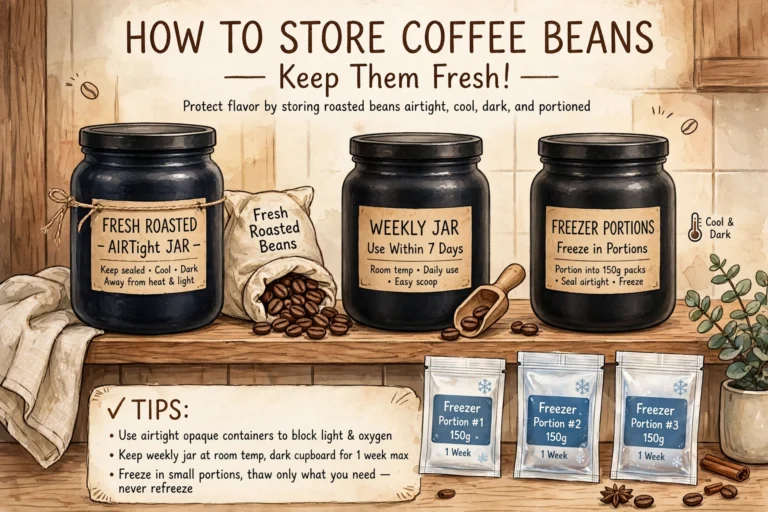
Once you open a bag, keep it in an airtight container away from light and heat, and grind just before you brew. Our guide to storing coffee beans covers the details, including what to avoid.
How to Choose Fresh Coffee Beans for Home Brewing
Use this short framework every time you stand in front of a shelf of bags:
- Pick a bag with a recent roast date, ideally within the last few weeks.
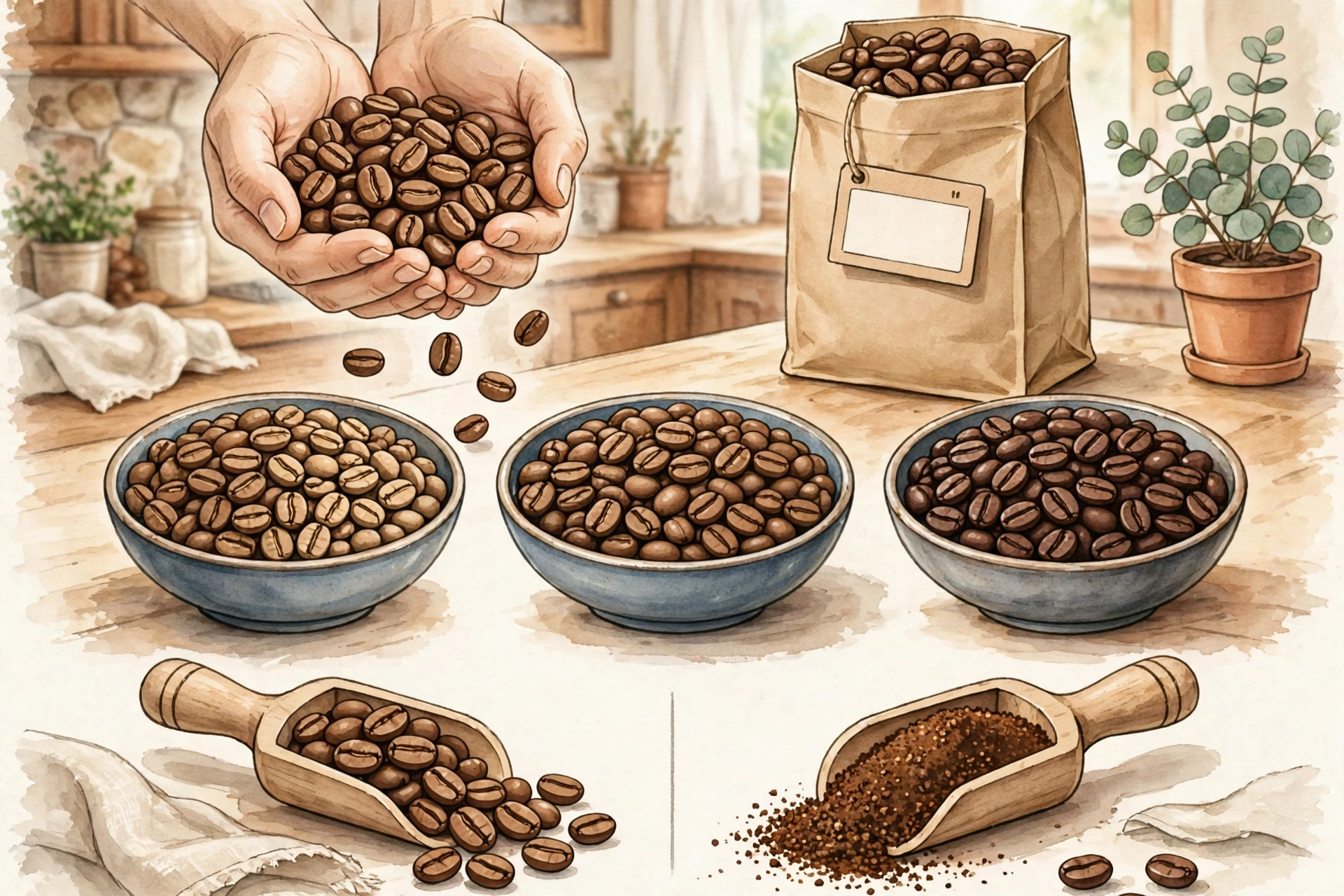
- Choose a roast level for your brewer. Lighter roasts tend to suit pour-over and drip, medium roasts are the most flexible all-round choice, and darker roasts suit French press and espresso-style drinks.
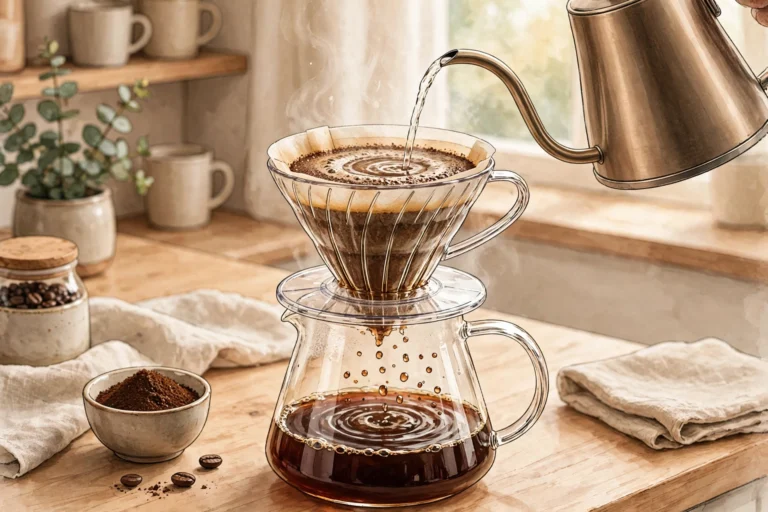
- Match the grind to your method: coarse for French press, medium for drip, and medium-fine for pour-over. See our best coffee grinders guide for grind sizes by method.
- Buy whole bean and grind at home when you can. Pre-ground coffee goes stale faster, because far more surface is exposed to air.
Match the Bean to Your Brewing Method
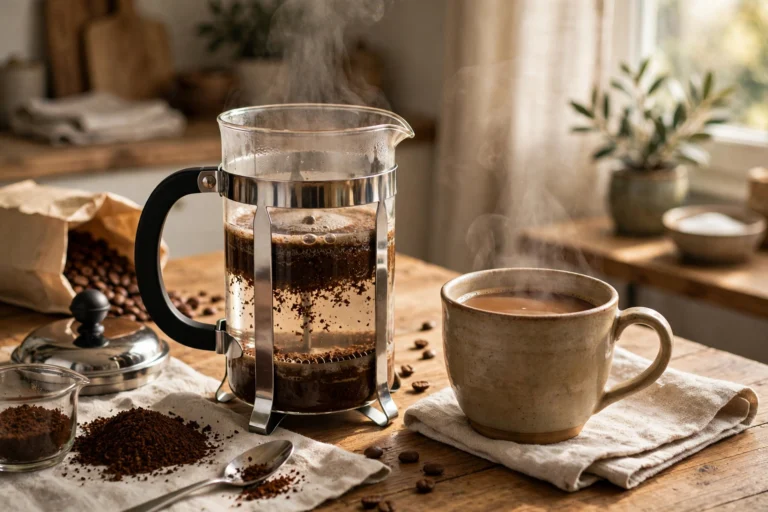
For French press, choose a medium to dark roast and a coarse grind. The metal mesh lets more oils through, so a fuller-bodied bean works well, and a coarse grind keeps the cup from turning gritty. Our French press coffee guide walks through the method step by step.
For drip coffee, a medium roast and a medium grind are a safe starting point. Drip is forgiving, so it is a good method for trying a new origin or roast without changing anything else. See our drip coffee guide for the basic recipe.
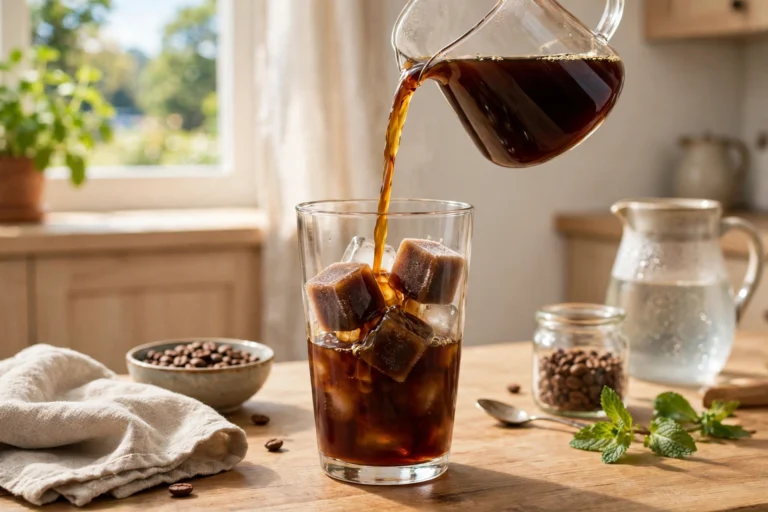
For cold brew, use a coarse grind and a bean with chocolate or nutty notes, which hold up well over a long, slow steep. Cold brew uses time rather than heat, so it forgives a darker roast. Our cold brew coffee guide covers ratios and steep times.
What the Bag Label Actually Tells You
Bag labels vary by roaster, but most give you the same five pieces of information. Learn to read them, and you can ignore the marketing words around them:
- Roast date: when the coffee was roasted. This is the freshness clue that matters most.
- Origin: the country or region the beans came from. It hints at flavor, but it is not a quality guarantee on its own.
- Roast level: light, medium, or dark. Roasters use these words differently, so treat them as a rough guide.
- Tasting notes: flavors like chocolate, berry, or citrus. These are hints about what you might taste, not promises.
- Blend or single origin: a blend mixes beans for balance, while a single origin shows off one place. Neither is automatically better.
Common Mistakes When Choosing Coffee Beans
The most common mistake is buying the biggest bag to save money, then drinking stale coffee for the last half of it. A smaller, fresher bag almost always tastes better. Another common mistake is buying pre-ground coffee ground for the wrong method, such as fine espresso grind for a French press, which makes a muddy, bitter cup.
Do not assume a dark roast means stronger coffee. Strength comes mostly from how much coffee you use for the water, not from the color of the bean. And do not store beans in a clear jar on the counter, where light and heat wear them out. Our guide to storing coffee beans explains the simple setup that works.
Frequently Asked Questions
Should I buy whole bean or pre-ground coffee?
Whole bean stays fresh longer, because the inside of the bean is protected until you grind it. Pre-ground coffee is fine if it is ground for your brewing method and you use it up quickly, but it goes stale noticeably faster once opened.
How much coffee should I buy at once?
Enough for a week or two of your normal brewing. That keeps every cup close to the roast date, and it lets you try a different origin or roast next time instead of being stuck with one big bag.
Is expensive coffee always better?
No. Freshness and roast fit matter more than price. A fresh, medium roast you enjoy will beat a stale, expensive bag every time. Pay more only when you can taste the difference and the roast date is recent.
Start with one fresh bag, brew it the same way for a few days, and change only one thing at a time. For keeping that bag at its best, see our guide to storing coffee beans, and for the right grind for your brewer, see our best coffee grinders guide.
How to Choose Fresh Coffee Beans for Home Brewing: A 5-Check Shopping List
Use this checklist in the shop, and you will not need to memorize anything. First, check the roast date. Second, match the roast to your brewer. Third, check that the bag is sealed and the beans look even, not mixed light and dark. Fourth, buy only what you will use in a week or two. Fifth, grind at home if you can. When you follow those five checks, learning how to choose fresh coffee beans for home brewing becomes a habit, not a gamble, and every bag you buy starts from a better place.
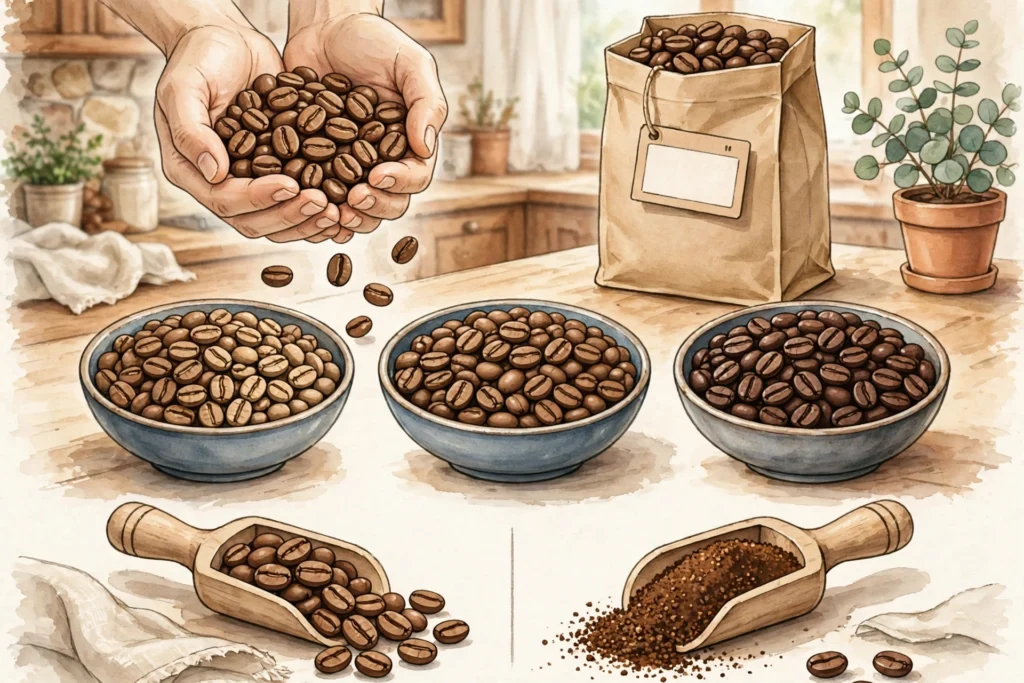
Roast is where many shoppers get stuck, so keep it simple: light roasts keep more of the bean’s origin character, medium roasts are balanced and forgiving, and dark roasts taste bold and roasty. A dark roast is not automatically stronger coffee. The National Coffee Association explains that roasts fall into light, medium, and dark categories, and that a dark roast’s strong flavor does not mean it is stronger, in its guide to coffee roasts. Use that guide when a bag label lists a roast name you do not recognize, such as city roast or French roast.
How to Choose Fresh Coffee Beans for Home Brewing: A Simple Closing Rule
Close with one rule: buy fresh, buy small, and brew the same bag the same way for a few days before you judge it. That is how to choose fresh coffee beans for home brewing without wasting money on bags that go stale. Once you have a bean you like, match it to your brewer in our French press coffee guide, our drip coffee guide, and our cold brew coffee guide, and keep it fresh with our guide to storing coffee beans.