
Cold Brew vs Iced Coffee: What’s the Real Difference?

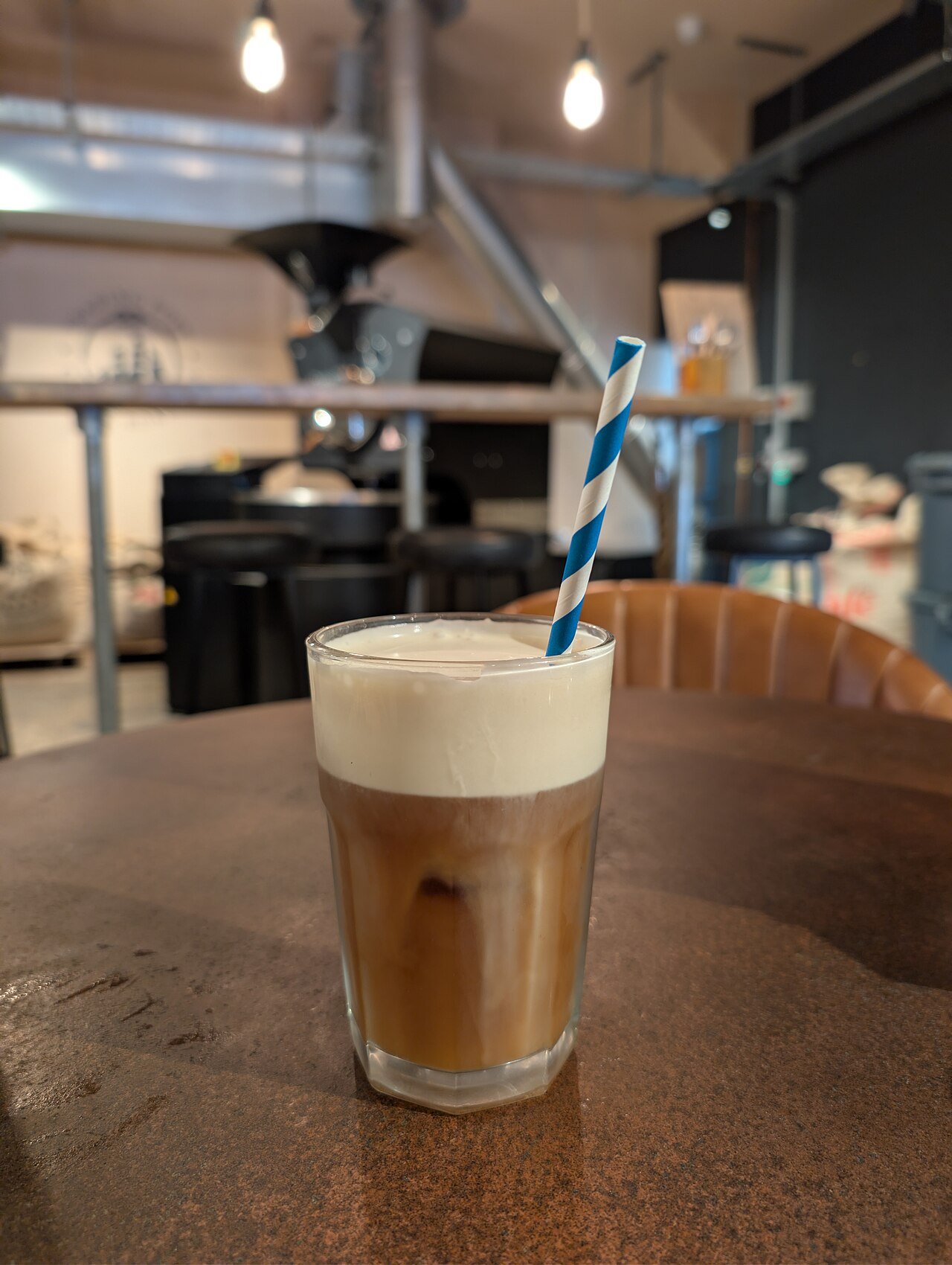
Cold brew is coffee steeped in cold water for 12 to 24 hours. Iced coffee is coffee brewed hot and then chilled, ideally by brewing it straight onto ice. Cold brew tastes smooth, sweet, and chocolatey, with very little sharpness. Iced coffee tastes like the hot coffee it came from: brighter, fruitier, and more aromatic. Cold brew takes a day and nearly twice the coffee, but a batch lasts a week. Iced coffee takes five minutes and is best drunk straight away.
Neither one is better. Make cold brew if you want smooth cold coffee waiting in the fridge every morning. Make iced coffee if you want it now, or you have a bag of light, fruity coffee you want to actually taste. This cold brew vs iced coffee guide compares them side by side — taste, acidity, caffeine, cost, and time — so you can pick the right one for the morning you are having.
Cold Brew vs Iced Coffee Side by Side
| Cold brew | Iced coffee | |
|---|---|---|
| How it is made | Coarse coffee steeped in cool water, then strained | Brewed hot, then chilled on ice |
| Time | 12–24 hours (about 5 minutes of hands-on work) | About 5 minutes |
| Taste | Smooth, sweet, chocolatey, heavy | Bright, fruity, aromatic, crisp |
| Sharpness | Low | Like the same coffee brewed hot |
| Coffee per 12-oz glass | About 44 g | About 25 g |
| Caffeine per glass | More, because there is more coffee in it | About the same as a hot mug |
| Keeps | 7–10 days as a concentrate | Drink it fresh |
| Best beans | Medium and dark roasts | Light and medium roasts |
| Equipment | A jar and a sieve | Whatever brewer you already use |
The coffee-per-glass figures assume cold brew at 1:10 and iced coffee at the site’s usual 1:16, each for 12 ounces of finished drink before serving ice.
Why They Taste So Different
Temperature decides what comes out of the grounds. Hot water dissolves coffee’s bright acids and aromatic compounds within minutes. Cold water works far more slowly, and even after a night of steeping it pulls out less of the acidity that makes hot coffee taste sharp.
That is why the two drinks have different personalities. Iced coffee keeps hot coffee’s personality: the acidity, the brightness, the origin character, the aromatics — sharpened, if anything, by the cold. Cold brew has its own personality: round, sweet, heavy on chocolate and nut, with acidity and bitterness sanded almost entirely away. The cold brew will taste rounder, sweeter, and heavier, a little like unsweetened chocolate milk without the milk. The iced coffee will taste crisper and closer to the notes printed on the bag.
Is Cold Brew Less Acidic?
It tastes much less acidic, and many people with sensitive stomachs find it easier to drink. The chemistry is more modest than the marketing. A 2018 study by Rao and Fuller, published in Scientific Reports, found that cold brew and hot-brewed coffee had similar pH, though the hot coffee had more total acidity (titratable acidity) — the measure of the acids that contribute to a bright, sour taste.
So the honest answer on cold brew vs iced coffee acidity is: cold brew tastes smoother and less acidic without being a dramatically different drink chemically. If your stomach prefers it, trust your stomach. If someone tells you cold brew is “70% less acidic” or gives you a precise percentage, that number is marketing, not measurement.
Which Has More Caffeine?
Cold brew, per glass, because it is made with more coffee. Cold water does not pull out more caffeine than hot water — caffeine dissolves in water regardless of temperature, and given enough time, cold water pulls out just as much per gram. What makes the difference is the recipe: a 12-ounce glass of ready-to-drink cold brew holds about 44 g of coffee, while the same glass of iced coffee holds about 25 g. More coffee in, more caffeine out.
Diluted one to one, a cold brew concentrate lands in a similar range to a normal cup — the concentrate is very strong straight, because it uses so much coffee relative to water, but nobody drinks it straight. The popular wisdom about cold brew vs iced coffee runs in both directions here, and the recipe is what untangles it: per finished glass, cold brew usually has more caffeine; per gram of coffee, the methods are close.
How Each One Is Made
Cold brew: coarse grounds steep in cold or room-temperature water for 12–24 hours, typically at concentrate strength (1:4 to 1:8 by weight), then filtered and diluted to taste. No heat, ever. A mason jar and a refrigerator do the job, and one batch keeps for a week. The full method — ratios, steep times, and dilution math — is in our cold brew guide.
Iced coffee: brewed hot, then cooled fast and poured over ice. The refined version is worth knowing by name: Japanese-style iced coffee, or flash brew, is a pour-over brewed directly onto ice, with part of the brew water replaced by the ice it melts. Brew it a touch stronger than usual — about 1:12 to 1:14, with the ice counted as part of the water weight — so the melting ice dilutes it to normal strength instead of watering it down. The full method is in our iced coffee guide.
Cost: Cold Brew Uses More Coffee
When you compare cold brew vs iced coffee on cost, cold brew costs more per cup, and the reason is simple: it uses nearly twice the coffee. At about 44 g per 12-ounce glass against iced coffee’s 25 g, every glass of cold brew spends almost twice the beans. It also asks for planning — a batch takes a day to make, even if the hands-on work is five minutes.
Iced coffee costs what a normal cup costs, because it is a normal cup, chilled. It needs no planning and no extra coffee, but it has to be made fresh every time, and it is best drunk within a few hours. If you drink cold coffee every day, cold brew’s batch habit saves time across the week; if you drink it once in a while, iced coffee is the cheaper and easier choice.
Which Should You Make?
Make cold brew if you want smooth cold coffee waiting in the fridge every morning, you like a mellow, chocolatey cup, bright acidity bothers you, or you brew for several days at once. It is the rare method where a cheaper, chocolatey bag often makes the better drink.
Make iced coffee if you want cold coffee in five minutes, you have a light or fruity bag you want to actually taste, or you only drink cold coffee now and then. Flash brew — hot coffee brewed straight onto ice — is the version to learn, because it keeps the brightness instead of letting it go stale in the fridge.
Make both if you can. Cold brew for your Tuesday-morning grab-and-go. Flash brew when you want to taste the coffee you bought. They are not competing for the same job, and a fridge with a jar of cold brew and a bag of good beans covers every hot day there is.
Frequently Asked Questions
Is cold brew just iced coffee?
No. In cold brew vs iced coffee, the difference starts with heat: iced coffee is hot coffee that has been cooled down. Cold brew is coffee that never touches heat at all — it is extracted by a long, cold steep. They look the same in the glass and taste completely different.
Is cold brew stronger than iced coffee?
Per glass, usually yes, because it is made with more coffee — about 44 g per 12-ounce glass against iced coffee’s 25 g. Drunk as an undiluted concentrate, it is much stronger. Diluted one to one with water or milk, it lands close to a normal cup.
Does cold brew have less acid than iced coffee?
It tastes much less acidic. A 2018 study found cold brew and hot-brewed coffee had similar pH, but the hot coffee had higher titratable acidity — the total acids that make coffee taste bright or sour. So cold brew is genuinely smoother on the palate, even if the pH difference is small.
How long does cold brew last in the fridge?
About 7–10 days as a concentrate, and 5–7 days once diluted. Keep it sealed and cold, and throw it out if it starts tasting stale or sour. Iced coffee, by contrast, is best drunk fresh — within a few hours of brewing.
Can I heat up cold brew?
Yes. Dilute the concentrate with hot water instead of cold, and it becomes a smooth, low-acid hot coffee. It will not taste like a fresh pour over — the bright notes are still missing — but it is a perfectly good hot cup, and a useful one on a cold morning when the jar is already in the fridge.
What is Japanese iced coffee (flash brew)?
A pour over brewed directly onto ice. You replace part of the brew water with ice, brew hot at a stronger ratio (about 1:12 to 1:14), and the coffee chills in seconds as it drips onto the ice. It keeps the bright, fruity flavor that slow-chilled coffee loses, and it is ready in five minutes.
The Bottom Line on Cold Brew vs Iced Coffee
Cold brew vs iced coffee is not a contest with a winner. Cold brew is a lower-acid, higher-caffeine concentrate you make once and drink all week: smooth, sweet, chocolatey, and forgiving. Iced coffee, done right with the flash method, is fast, bright, and shows off what you actually paid for in good beans. Make cold brew for the mornings you want coffee waiting for you. Make iced coffee for the afternoons you want to taste the coffee you bought. For the full methods, see our cold brew guide and our iced coffee guide.
Sources for this cold brew vs iced coffee guide: Coffee Brew Guide — Cold Brew vs Iced Coffee and CoffeeWiki — Iced Coffee vs. Cold Brew.